
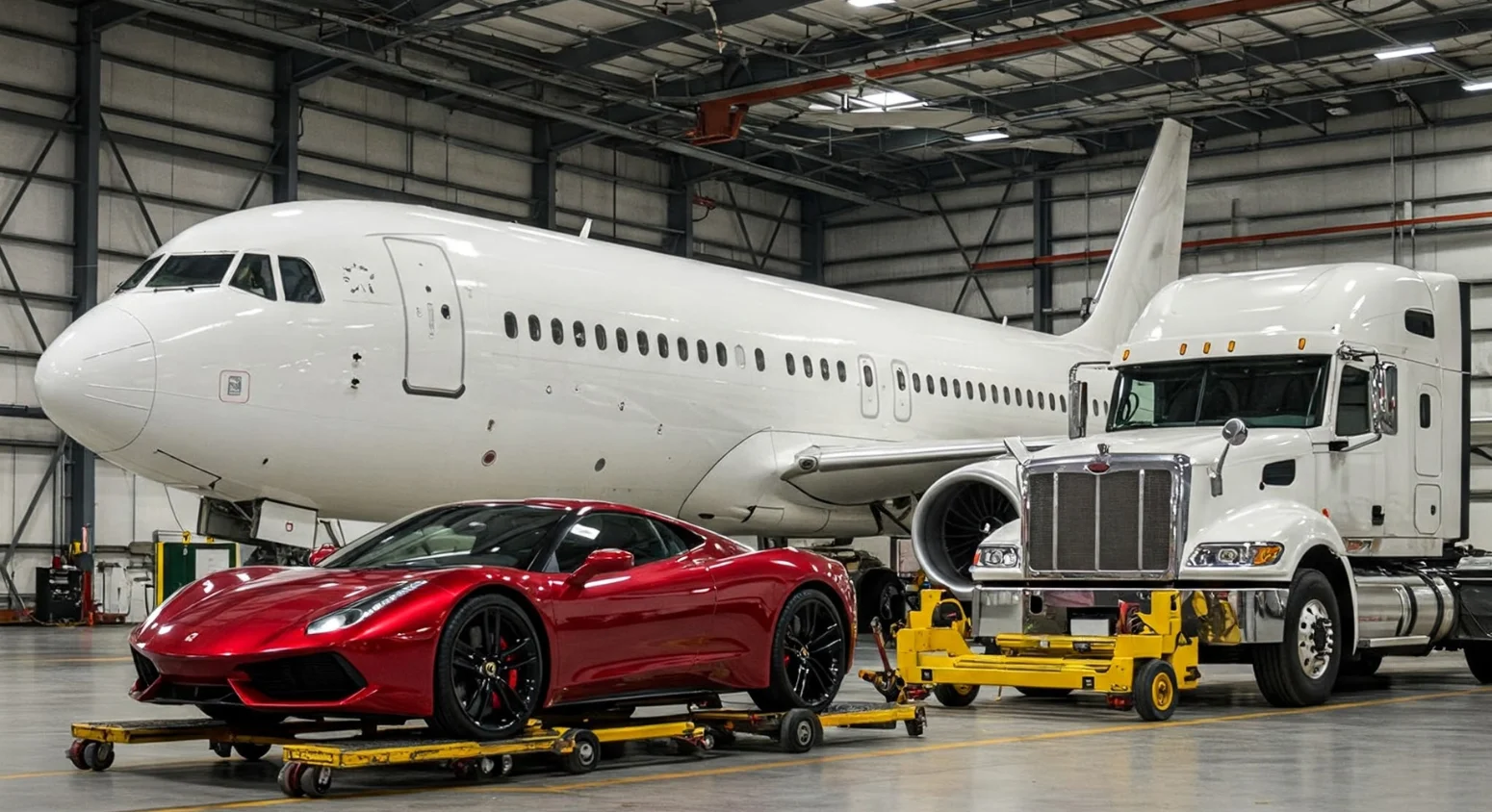

Moving supercars, semis, and aircraft isn’t as simple as rolling them from one place to another, it’s a job that demands precision, balance, and the right tools. Each vehicle has unique needs, and one wrong move can cause serious damage. So, how do you move supercars safely, handle heavy vehicle transportation, or move aircraft on the ground without risk?
The key lies in smart planning, proper equipment, and strong safety practices. With the right professional vehicle moving solutions and heavy-duty mobility equipment, these high-value machines can be transported smoothly and securely. In this guide, we’ll explore how experts make it happen—covering the challenges, tools, and safety steps that keep every move safe and controlled.
Table of Contents
Understanding the Challenges of Moving High-Value Vehicles
Moving supercars, semis, and aircraft isn’t just about transportation—it’s about precision, safety, and control. These aren’t average vehicles; they’re complex, high-value machines that require expert handling and specialized planning. Whether you’re trying to move supercars safely or ensure heavy vehicle transportation runs smoothly, understanding the challenges is the first step toward success.
So, what makes these moves so demanding? Let’s break it down.
1. The Weight and Structure Factor
Supercars are low to the ground, semis are built for bulk, and aircraft have unique balance points. Each requires:
- Proper load balance and stability to prevent strain or tilt
- Equipment that distributes weight evenly for safe vehicle lifting practices
- Controlled movement that minimizes vibration or structural stress
Without careful planning, even a slight imbalance can lead to costly damage.
2. Limited Space and Precision Control
Tight storage areas, narrow lanes, and delicate surfaces demand tools designed for precision. Unlike standard vehicles, supercars and aircraft can’t simply be pushed or towed—they need secure vehicle transport solutions that allow fine control over every inch of movement.
3. Safety and Damage Prevention
Every high-value move carries risk, but advanced industrial transport safety practices can reduce it dramatically. Using the right equipment ensures:
- Shock absorption during loading and unloading
- Stability even on uneven terrain
- Reduced wear and tear on sensitive vehicle parts
4. Why Expertise Matters
Not everyone can handle a supercar or aircraft safely. It takes trained professionals who understand how to move supercars without damage and follow safe methods for moving heavy vehicles. They know how to read weight distribution, anticipate movement challenges, and respond quickly if something shifts.
In short, moving high-value vehicles is a blend of science, skill, and precision. With the right approach, you can protect your assets, maintain performance, and ensure every transport is as smooth as it is safe.
Essential Equipment for Safe and Controlled Movement
Moving supercars, semis, and aircraft safely takes more than skill—it takes the right equipment. Without the right tools, even the smallest mistake can lead to serious damage. So, what kind of equipment helps make every move safe, smooth, and controlled? Let’s look at the essentials.
Heavy-Duty Mobility Equipment
At the core of every safe move is reliable heavy-duty mobility equipment. These powerful systems are built to handle extreme weight while keeping balance and control. Using strong frames, smooth-rolling casters, and stable platforms, they make heavy load moving systems safe and efficient. Whether you’re repositioning a semi or a grounded aircraft, the right mobility tools ensure strength without sacrificing stability.
Wheel Dollies for Heavy Vehicles
For smaller yet valuable vehicles like supercars, wheel dollies for heavy vehicles are essential. They allow smooth movement in tight spaces—like workshops, garages, or display areas—without even starting the engine. This reduces wear and tear while giving you full 360-degree control. With precision and balance, these supercar transport equipment tools make moving high-value vehicles simple, safe, and stress-free.
Precision Vehicle Lifting Systems
When lifting is required, precision vehicle lifting tools play a key role. These systems raise vehicles evenly, protecting their structure from bending or stress. Modern solutions use modular systems for moving large loads, which means they can adjust to different vehicle sizes and weights. This flexibility is perfect for mixed fleets or complex lifting tasks that require safety and accuracy every time.
Aircraft Ground Handling Solutions
Aircraft movement requires even greater precision and care. Specialized aircraft ground handling solutions help teams guide planes safely on the ground—whether for maintenance, storage, or positioning. Designed with industrial transport safety in mind, these systems maintain perfect weight balance and traction control during every move.
The Power of the Right Equipment
In the end, safe movement isn’t about brute strength—it’s about using the right tools. From heavy-duty systems and lifting tools to smart dollies and aircraft movers, each piece of equipment helps ensure smooth and secure vehicle transport. With the right setup, you can move anything—from supercars to aircraft—with complete confidence and control.
Key Safety Practices for Damage-Free Transportation
Moving supercars, semis, and aircraft safely isn’t just about having the right tools—it’s about knowing how to use them correctly. The smallest mistake can lead to scratches, imbalance, or worse, mechanical damage. That’s why every successful secure vehicle transport plan starts with one goal in mind: damage-free transportation.
So, what does it take to make sure every move is smooth, safe, and precise? Let’s break down the essential safety practices that professionals rely on.
1. Always Prioritize Balance and Control
When transporting high-value vehicles, load balance and traction control are everything. An uneven load can shift suddenly, damaging both the vehicle and the equipment. Before moving, professionals always:
- Check that the weight is evenly distributed
- Keep the vehicle’s center of gravity stable
- Use tools that enhance vehicle stability and control
Whether it’s a sleek supercar or a massive semi, proper balance is the foundation of every safe move.
2. Secure the Load Properly
Good equipment means little without proper load securing techniques. Straps, clamps, and stabilizers should always be checked before and during movement. Using the right restraints ensures the vehicle stays firmly in place, even when the path gets rough.
To ensure safety:
- Double-check tie-downs before lifting or towing
- Avoid over-tightening, which can damage delicate parts
- Inspect straps regularly for wear and tear
3. Use Shock Absorption Systems
One of the biggest threats to high-value transport is vibration. Shock absorption systems help cushion vehicles from bumps, keeping them stable and preventing long-term structural damage. This is especially important for supercars and aircraft, where even slight impacts can affect performance.
Proper industrial transport safety means using suspension or dolly systems designed to absorb shock while maintaining firm control during every move.
4. Follow Safe Vehicle Lifting Practices
Lifting a heavy or delicate vehicle requires more than strength—it requires precision. With the help of precision handling equipment, operators can lift evenly across multiple points to prevent stress or bending.
Best practices include:
- Lifting from manufacturer-recommended points
- Avoiding sudden movements while raising or lowering
- Using heavy load moving systems that distribute weight evenly
These steps ensure each lift supports the vehicle’s frame while keeping safety front and center.
5. Invest in Skilled Operators
Even with the best equipment, human expertise is irreplaceable. Skilled operators know how to anticipate movement challenges and adjust in real time. They’re trained in safe vehicle lifting practices, balance control, and on-the-spot troubleshooting—key skills that prevent accidents before they happen.
Safety is more than a checklist—it’s a mindset. When you combine the right equipment, careful techniques, and experienced hands, secure vehicle transport becomes second nature. Every step you take toward better safety brings you closer to truly damage-free transportation—protecting your vehicles, your team, and your peace of mind.
Technology and Innovation in Modern Vehicle Transport
Technology has made a big difference in how we move supercars, semis, and aircraft safely. What once needed a lot of manual work can now be done with smart tools, better materials, and more accurate machines. These changes help make heavy vehicle transportation safer, faster, and easier for everyone.
Let’s look at some simple ways technology is making transport better.
Smart Mobility Systems
New transport systems now use sensors and smart controls to watch weight, balance, and movement. These automotive transport solutions help drivers and operators spot problems early and keep vehicle stability and control steady. With better awareness and control, it’s easier to move large or delicate vehicles without risk.
Eco-Friendly Transport Tools
Many companies now use eco-friendly vehicle transport options to cut down on pollution and fuel use. Electric dollies and battery-powered lifting systems are great examples. They make less noise, need less maintenance, and are kinder to the planet—without giving up strength or safety.
Stronger but Lighter Materials
Modern transport tools are built with lighter yet stronger materials, such as aluminum and carbon fiber. These upgrades help wheel dollies for heavy vehicles and lifting tools carry big loads more safely while being easier to handle. Less weight means smoother movement and lower energy use.
Automation for Precision and Safety
Automation helps take human error out of the process. Robotic lifts, self-steering dollies, and smart sensors can guide vehicles smoothly even in tight spaces. These aviation ground mobility tools make sure every move is balanced, safe, and well-controlled.
Technology has made moving heavy or high-value vehicles more reliable than ever. With smart systems, green tools, and precise control, professional vehicle moving solutions are setting new standards for safety and efficiency.
Safety Tips for Moving Supercars, Semis, and Aircraft
When it comes to moving supercars, semis, and aircraft safely, even the smallest mistake can cause big damage. That’s why planning, precision, and the right tools matter most. Whether you’re handling a sleek sports car, a loaded semi, or a light aircraft, following a few key steps can make all the difference.
1. Plan Every Move Carefully
Before you start, take time to plan your route and setup. Check:
- Ground conditions — Is the surface level and strong enough?
- Weather — Avoid rain or strong winds if possible.
- Space — Do you have enough room for turns, loading, and unloading?
Good planning reduces surprises and keeps both the load and workers safe.
2. Use the Right Equipment
You can’t move heavy or high-value vehicles safely without the proper gear. Use wheel dollies for heavy vehicles, container lifting systems, or aviation ground mobility tools designed for your specific type of transport. Choosing the right automotive transport solutions not only makes the job easier but also prevents costly damage or downtime.
3. Secure and Balance the Load
Before moving, double-check that everything is tightly secured and evenly balanced. Use strong straps, safety locks, and wheel chocks to hold vehicles in place. Even a small shift in weight can affect vehicle stability and control, especially when moving on ramps or uneven surfaces.
4. Train Your Team
A skilled team is your best safety tool. Make sure everyone involved understands the process, knows how to handle specialized vehicle moving systems, and follows standard safety procedures. Regular training keeps everyone alert and confident when managing high-value assets like supercars and aircraft.
5. Inspect Regularly
Don’t skip maintenance checks. Inspect all tools and gear—especially wheel dollies, lifts, and tie-down systems—before and after each move. A simple inspection can prevent mechanical failures that might lead to accidents or delays.
6. Prioritize Eco-Friendly and Safe Movement
Modern eco-friendly transport solutions are not only better for the planet—they’re often safer. Electric lifts and low-emission mobility tools produce smoother operation with less vibration, protecting delicate vehicles from unnecessary wear or shock.
In short, safety in heavy vehicle transportation isn’t just about rules—it’s about respect for the machines you move and the people who move them. With smart planning, reliable tools, and proper training, you can make every move efficient, secure, and worry-free.
Modern Tools That Make Heavy Vehicle Transport Safer
Moving supercars, semis, and aircraft used to be a task reserved for only the most experienced operators. Today, thanks to smart technology and advanced mobility tools, it’s safer, faster, and more efficient than ever. But what makes these modern tools so important—and how do they actually help protect both the machine and the people handling it? Let’s take a closer look.
1. Smart Wheel Dollies for Precision Control
Traditional dollies are simple, but modern wheel dollies are built for precision. They’re designed to handle massive weight while offering smooth, controlled motion. With adjustable grips and easy steering, they let you move supercars and aircraft with care and balance—especially in tight spaces. Some are even equipped with hydraulic systems that make lifting and maneuvering effortless.
2. Heavy-Duty Lifting Systems for Large Loads
When dealing with heavy-duty vehicles like semis or small aircraft, strength matters. That’s where container lifting systems and hydraulic lifts come in. These tools ensure the load is raised evenly, preventing strain or tilt that could cause damage. They also allow operators to handle big moves with minimal manpower, reducing risk and increasing efficiency.
3. Modular Mobility Tools for Versatility
Every vehicle is different. That’s why professionals use modular mobility systems—flexible setups that can be adjusted for different sizes and shapes. For example, eco-friendly transport tools powered by electric systems help reduce noise and emissions while maintaining top-level control. This makes them perfect for indoor environments like aircraft hangars or auto showrooms.
4. Safety Sensors and Control Systems
Technology has taken safety to the next level. New transport systems now include built-in sensors that detect obstacles, monitor load stability, and adjust movement speed automatically. These vehicle moving solutions help prevent human error and make sure every move is as safe as possible.
5. Why Investing in the Right Tools Matters
Using the right tools isn’t just about getting the job done—it’s about doing it right. When you use advanced mobility and lifting equipment, you protect high-value assets, minimize downtime, and reduce injury risks. Over time, this not only saves money but builds trust and confidence in your operation.
In short, the future of heavy vehicle transportation is about smart tools, not just strong ones. With advanced wheel dollies, precise lifts, and eco-friendly systems, moving supercars, semis, and aircraft is safer, smoother, and more reliable than ever before.
Conclusion: Moving the Future of Heavy Vehicles with Confidence
Whether it’s a supercar, a semi truck, or even an aircraft, safe transportation is never just about muscle—it’s about precision, planning, and the right tools. As technology evolves, so does our ability to move heavy vehicles safely with better control, stability, and efficiency. From TriWich Wheel Dollies to advanced lifting systems and modular mobility tools, modern equipment is transforming how industries handle secure vehicle transport without risk or delay.
So, the next time you need to move supercars safely or handle aircraft ground mobility, ask yourself—are you using the right tools for the job? With the right professional vehicle moving solutions, you don’t just move machines—you move them smarter, faster, and safer.
FAQs
1. What’s the safest way to move a supercar without damage?
Use professional tools like precision wheel dollies or hydraulic lift systems designed for high-performance vehicle transport. These ensure even weight distribution and control during movement.
2. How do I move a semi truck safely in a tight area?
A HitchWich for towing or TriWich Wheel Dollies can make all the difference. They allow smooth turns and help maintain balance while maneuvering heavy loads in limited space.
3. Can aircraft be moved using ground handling equipment?
Yes. Aircraft ground handling solutions like heavy-duty mobility systems are made specifically for safe and controlled ground movement, ensuring no damage to tires or landing gear.
4. Why choose TriWich for heavy vehicle transportation?
TriWich combines innovation and reliability. From LiftWich for heavy vehicles to the Tri-Up lifting system, their eco-friendly transport tools are built for safety, strength, and precision—helping you move smarter every time.


