
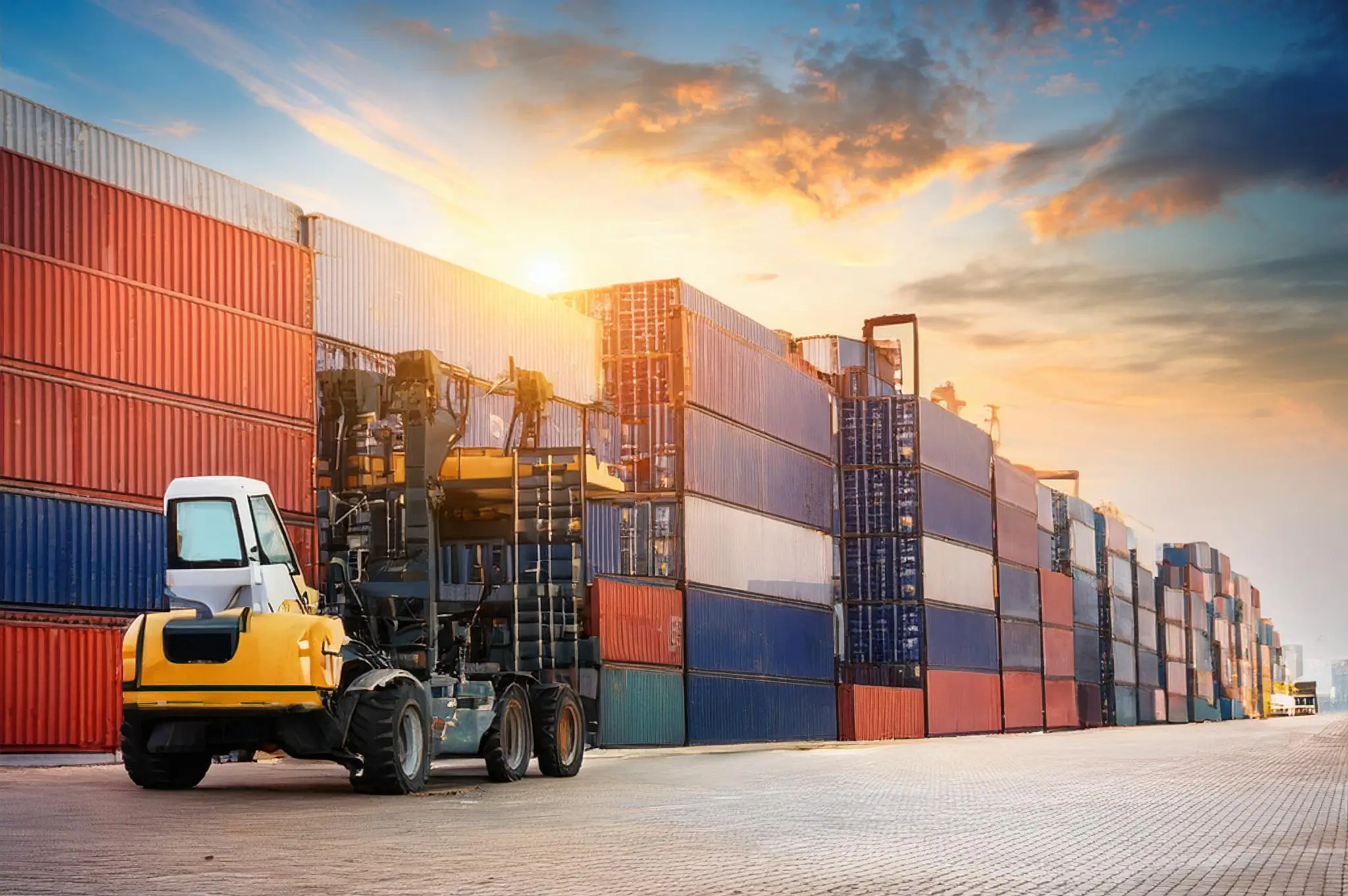

The logistics world is shifting fast, and many teams are feeling the impact. As supply chains grow more global and unpredictable, modern logistics challenges can slow operations, raise costs, and strain customer expectations. But the good news? Most of these issues can be turned into opportunities with the right approach.
In this blog, we’ll break down the real supply chain challenges businesses face today, the global logistics issues behind them, and how smarter strategies can boost supply chain efficiency. As you read, think about where these challenges appear in your own workflow—and how practical logistics solutions could simplify the way you operate.
Table of Contents
Quick Answer:
Modern logistics comes with challenges like supply chain delays, transportation issues, and warehouse bottlenecks. Using smart logistics solutions and tools like TriWich’s LiftWich and Wheel Dollies can streamline operations, improve efficiency, and make moving heavy containers safer and easier.
I. Supply Chain Complexity
Today’s supply chains look simple from the outside, but once you’re inside, you realize how complicated they really are. If you’ve ever wondered why a small delay suddenly turns into a bigger problem, you’re not alone. Many businesses are facing modern logistics challenges that make it harder to keep everything running smoothly.
A big reason for this is growing supply chain complexity. As companies work with more suppliers, more regions, and more moving parts, things become harder to control and easier to disrupt.
Why Supply Chains Feel More Complicated Now
Here are some of the main factors causing today’s supply chain challenges:
- Global networks that depend on multiple countries
- Changing customer demand that shifts faster than before
- Limited visibility into what’s happening at each step
- Unexpected supply chain disruptions like weather, delays, or shortages
Even one weak link can affect the entire chain.
How This Complexity Shows Up in Your Daily Work
You may see signs of complexity without realizing the bigger cause behind them:
- Sudden delays that don’t have a clear explanation
- Confusing communication between teams or partners
- Inventory that arrives too early or too late
- Small bottlenecks turning into major slowdowns
These issues don’t just create stress—they affect cost, speed, and customer trust.
Making Complexity Easier to Manage
The good news is that complexity can be managed with the right steps. Start by asking yourself:
- Do I have a clear view of what’s happening across my supply chain?
- Are teams using the same information to make decisions?
- Can I quickly spot the source of recurring problems?
Tools that offer better visibility—like modern supply chain visibility solutions—can help you see problems sooner and respond faster. Small improvements often create a big impact.
Understanding the real causes behind today’s global logistics issues gives you more confidence and control. And once you know what’s happening behind the scenes, you can start turning challenges into real opportunities.
Let’s keep going and uncover the next big piece of the logistics puzzle.
Explore: Challenges in Heavy-Duty Cargo Movement with Solutions
II. Transportation and Delivery Challenges
Getting products where they need to go should feel straightforward—but in reality, it’s one of the hardest parts of logistics. If you’ve ever dealt with late deliveries, unclear updates, or unexpected route changes, you’ve already experienced some of today’s biggest transportation and logistics problems. And as networks expand, these issues become even more visible.
Transportation challenges don’t just create delays—they ripple through your entire operation. They affect customer trust, increase operating costs, and make planning far more stressful than it needs to be.
Why Transportation Is So Difficult Today
Several factors contribute to the rise of freight management challenges, including:
- Unpredictable traffic and weather, making routes harder to plan
- Driver shortages, especially in high-demand regions
- Regulatory checks, which can slow even well-planned shipments
- Cross-border delays, adding complexity to challenges in international shipping
Each of these issues makes it harder to get shipments where they need to be—on time and without added cost.
The Last-Mile Problem: Small Distance, Big Impact
If there’s one area where delays hurt the most, it’s last-mile delivery. Even the best-managed shipments can stumble in the final stretch, leading to:
- Missed delivery windows
- High fuel and labor costs
- Customer frustration
- Difficulty tracking drivers or packages in real time
This is why many businesses focus heavily on last-mile delivery challenges—because solving them creates fast, noticeable improvements.
How These Challenges Affect Your Daily Workflow
You might notice some common patterns:
- Deliveries taking longer than your system predicted
- Routes that look efficient on paper but fail in practice
- Sudden scheduling changes that throw off your team
- More money spent trying to compensate for delays
These aren’t “one-off issues”—they’re signs of deeper transportation inefficiencies.
Turning Delivery Problems Into Better Performance
Instead of letting delays pile up, ask yourself:
- Are we using tools that help us adjust routes in real time?
- Do we have enough data to understand repeat problems?
- Can we simplify high-risk routes or shipments?
Many companies improve results by focusing on reducing delays in logistics and using smarter tools for improving last-mile delivery performance. Even small adjustments—like better route planning or clearer communication—can dramatically speed up operations.
Transportation will always come with challenges, but with the right approach, you can turn those challenges into smoother, more reliable delivery processes.
Take Control of Your Logistics with TriWich
Struggling with complex supply chains, warehouse challenges, or moving heavy containers efficiently? TriWich offers LiftWich, Wheel Dollies, and other modular mobility solutions designed to make container handling safer, faster, and more efficient. Discover how our tools can streamline your operations, reduce manual effort, and keep your logistics running smoothly.
Discover: How to Load a Shipping Container: Step-By-Step Guide
III. Warehouse and Inventory Management Issues
Walk into almost any warehouse today and you’ll notice the same pattern—teams moving fast, shelves filling up too quickly, and constant pressure to keep orders flowing. If this sounds familiar, you’re likely dealing with common warehouse management issues that slow down work and create stress across your entire operation.
The truth is that warehousing has become harder than it used to be. Higher order volumes, tighter storage space, and growing customer expectations mean small mistakes can quickly turn into bigger problems.
Why Warehouses Feel More Challenging Than Ever
Several factors are pushing warehouse operations to their limits:
- Not enough space to store or organize products efficiently
- Manual tasks that take too long and cause errors
- Poor layout design, leading to wasted movement
- Inconsistent communication between shifts or teams
These challenges often build up quietly until they start affecting your daily workflow.
How Inventory Problems Show Up in Real Life
You might see signs of deeper issues without realizing what’s causing them:
- Stockouts happening more often
- Overstock taking up valuable room
- Items getting “lost” even though they were scanned
- Delays in picking, packing, or replenishment
When inventory isn’t managed well, it affects speed, accuracy, and cost.
The Space Problem: A Hidden Barrier to Efficiency
One issue many warehouses face is running out of room. Overcoming warehouse space limitations becomes a priority when:
- Incoming shipments arrive faster than you can process them
- Seasonal demand spikes fill every available shelf
- Poorly planned layouts create bottlenecks
When space gets tight, everything slows down.
How to Start Fixing These Issues
A good first step is asking yourself a few simple questions:
- Do your teams rely on manual processes that could be automated?
- Is every product stored in a clear, easy-to-find location?
- Are you using tools that give you accurate, real-time visibility?
Small improvements can make a big difference. Many companies rely on inventory management solutions and smarter systems to create real logistics workflow improvement. Even basic upgrades—like better labeling, improved zoning, or simple automation—can speed up operations quickly.
A smoother warehouse doesn’t just help your team—it strengthens your entire supply chain. When inventory moves without friction, everything else becomes easier, faster, and more predictable.
Also Read: How to Load and Unload Containers
IV. Technology Adoption Barriers
Technology has the power to make logistics faster, smarter, and more reliable—but only if it’s used correctly. Many businesses struggle with logistics technology solutions because adding new tools to existing processes can be tricky. If you’ve ever felt that your tech isn’t helping as much as it should, you’re not alone.
The challenge isn’t just cost. Legacy systems, software that doesn’t integrate, and teams unsure how to use new tools can all slow adoption. And in today’s fast-paced logistics world, these barriers can quickly create delays and inefficiencies.
Why Adopting Technology Can Be Hard
Some common reasons teams struggle with new logistics tools include:
- High upfront costs that make decision-makers hesitant
- Difficulty connecting new software to existing systems
- Training gaps, leaving employees unsure how to use the tools
- Data security concerns with cloud or online systems
Even the best technology won’t work if it’s not implemented and supported properly.
Signs Technology Isn’t Working for You
You may notice these issues in your daily operations:
- Hard-to-access or outdated data
- Inefficient routing or inventory tracking
- Miscommunication between teams
- Trouble monitoring shipments in real time
These problems quietly slow down your workflow and increase costs.
How to Make Technology Work for You
Start by asking:
- Are your teams confident using the tools you’ve invested in?
- Do your systems share data smoothly across departments?
- Are you using smart tools for logistics efficiency to reduce manual work?
- Can you track shipments and inventory in real time?
Many companies solve these issues by adopting modern supply chain visibility solutions and focusing on logistics optimization. Simple upgrades—like real-time tracking, automated alerts, or dashboards—can cut errors, save time, and make operations smoother.
When technology works the way it should, it doesn’t just make work easier. It empowers teams, improves decisions, and creates a supply chain that can adapt to any challenge.
You Might Like: What Is a 20-Foot Shipping Container?
V. Sustainability and Compliance Pressures
Sustainability isn’t just a trend—it’s becoming essential in modern logistics. Companies today need to reduce emissions, cut waste, and adopt sustainable logistics practices. If you’ve ever wondered how to balance running efficient operations with being environmentally responsible, you’re not alone. Many businesses face the same challenge: how to stay compliant, save costs, and keep deliveries on track.
Ignoring these pressures can be costly. Customers, regulators, and investors all expect greener and safer logistics. Falling behind can mean higher expenses, fines, or damage to your reputation.
Why Sustainability Matters
Several factors are driving this change:
- Environmental rules limiting emissions and waste
- Customer demand for eco-friendly shipping
- Rising costs from inefficient operations
- Corporate responsibility goals pushing companies to act
These factors are changing how routes are planned, how packages are handled, and how fleets are managed.
How Sustainability Challenges Show Up
You might see these issues in your day-to-day operations:
- Meeting emission targets while keeping delivery times fast
- Higher costs for greener packaging or fuel-efficient vehicles
- Tracking compliance across different regions
- Adjusting processes without slowing down work
Turning Sustainability Into an Advantage
Instead of seeing it as a burden, sustainability can be an opportunity. Ask yourself:
- Can we reduce freight costs while lowering emissions?
- Are our routes and fleets optimized for fuel efficiency?
- Can we cut waste in packaging and storage?
- Do we have tools to track compliance easily?
Businesses that focus on strategies for sustainable logistics growth often see benefits beyond the environment. Eco-friendly practices can improve efficiency, reduce costs, and build customer trust. Simple changes—like smarter route planning, better load management, or greener materials—can make a big difference.
When sustainability is part of your logistics strategy, you create a supply chain that works smarter, costs less, and is ready for the future.
Suggested Read: Efficient and Cost-Effective Container Unloading Practices
Conclusion
Managing logistics today can feel overwhelming. From modern logistics challenges and supply chain delays to warehouse problems, technology hurdles, and sustainability pressures, it’s clear that running smooth operations takes effort. The good news? Every challenge also brings an opportunity to improve. By using the right logistics solutions, focusing on supply chain efficiency, and adopting smarter tools, you can turn problems into progress.
Ask yourself: Are there areas in your supply chain that slow you down? Could better planning, technology, or sustainable practices make things easier and cheaper? The businesses that succeed are the ones that adapt, innovate, and keep improving.
Remember, logistics isn’t just about moving goods—it’s about creating a system that works well for your team, your customers, and your business. Even small improvements add up, helping you deliver faster, safer, and smarter.
FAQs
1. What are the most common modern logistics challenges?
The biggest challenges include supply chain complexity, transportation delays, warehouse issues, technology adoption problems, and sustainability pressures.
2. How can businesses improve supply chain efficiency?
Improving processes, using modern supply chain visibility solutions, and adopting automation or smart tools can make operations faster and more accurate.
3. What role does technology play in logistics solutions?
Technology helps track shipments in real time, optimize routes, manage inventory, and reduce errors, making logistics smoother and more reliable.
4. Why is sustainability important in modern logistics?
Sustainable logistics practices cut emissions, lower costs, meet regulations, and improve customer trust while supporting long-term business growth.


