
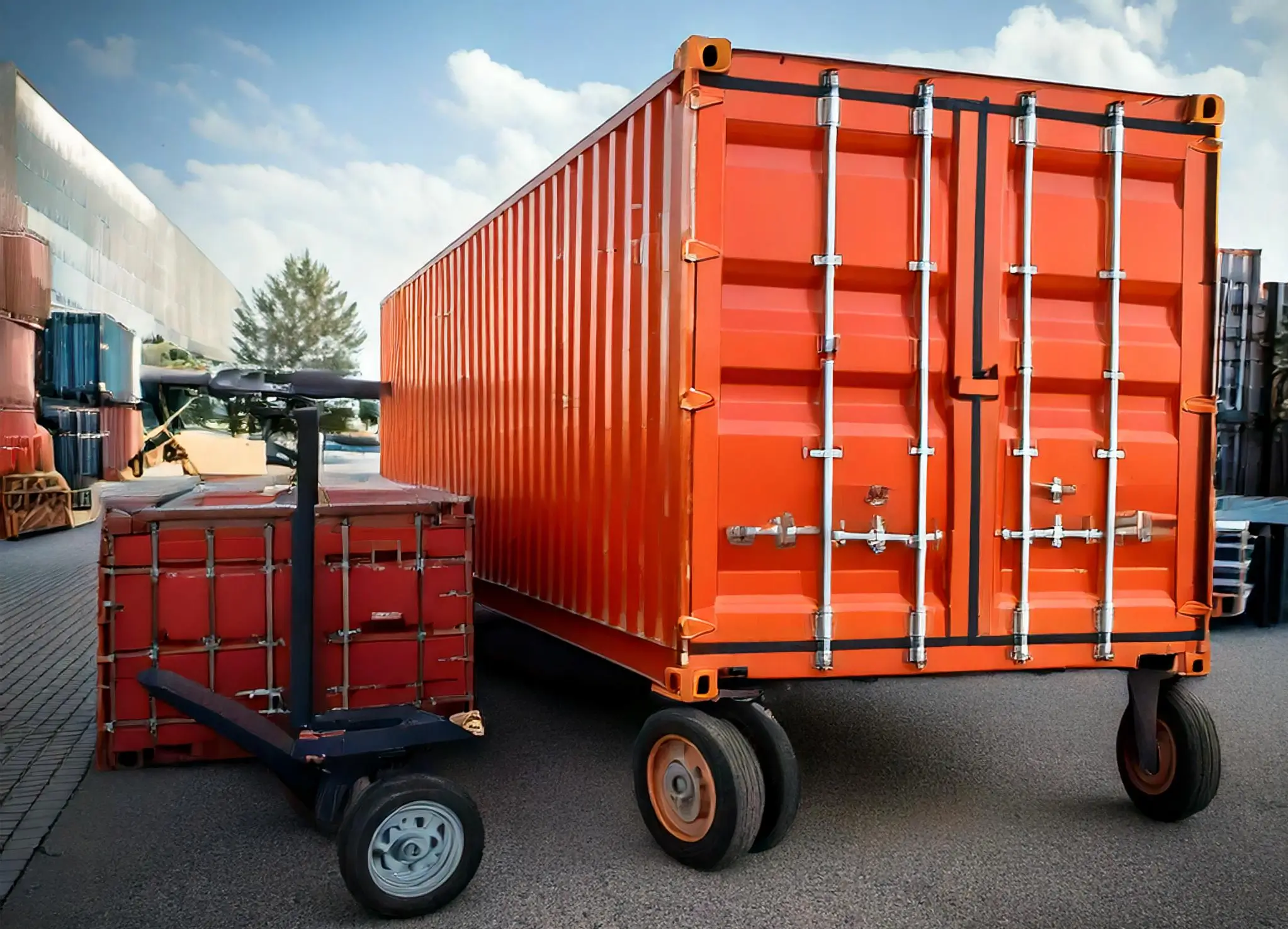

Moving heavy containers has always been a challenge—slow, labor-intensive, and often unpredictable. But what if the process could be smoother, safer, and dramatically faster? If you’ve ever wondered how teams boost freight transport efficiency without adding more labor or expensive machinery, you’re about to see why the answer often starts with one simple tool: the shipping container dolly.
Today’s logistics operations rely on speed and precision. Whether you manage a busy freight yard, handle daily loading tasks, or simply want a smarter way to streamline heavy container movement, the right mobility tools can transform the way you work. A well-designed container dolly system doesn’t just move containers—it reduces strain on your team, shortens loading cycles, and eliminates unnecessary machine use.
In this blog, we’ll explore why efficient container handling matters more than ever, how modern container moving equipment solves long-standing bottlenecks, and what makes these mobility systems so essential in fast-paced transport environments. By the end, you’ll see exactly why companies looking to improve performance, cut downtime, and stay competitive are turning to smarter, more flexible container mobility solutions.
Quick Answer:
A shipping container dolly makes moving heavy containers faster, safer, and more efficient. It reduces reliance on heavy machinery, allows smooth movement in tight spaces, lowers labor strain, and improves overall freight transport efficiency—helping your operation run more smoothly and cost-effectively.
Table of Contents
Understanding the Role of Shipping Container Dollies
If you’ve ever tried to move a full shipping container across a yard, you already know the truth—containers are extremely heavy and difficult to shift. They don’t roll or turn on their own. That’s where a shipping container dolly becomes useful. But what exactly does it do, and why does it matter?
A container dolly is more than a simple set of wheels. It’s a smart container moving equipment tool designed to reduce friction, spread weight evenly, and help you move thousands of pounds with much less effort. Instead of depending only on forklifts or cranes, a dolly makes everyday container movement smoother and more predictable.
A good container dolly system solves three major problems:
- Limited mobility: Containers can’t slide or roll easily. Dollies make movement simple.
- High strain on machines: Forklifts and cranes shouldn’t be used for constant tiny adjustments. Dollies handle those small moves with ease.
- Slow work processes: Every difficult repositioning slows the entire workflow. Dollies help speed things up.
When containers can move more freely, your freight transport efficiency increases automatically. This means faster loading, fewer delays, and a more organized work area. Many teams realize that dollies fill the gap between heavy lifting tools and quick ground-level movement.
You might wonder: Can a simple wheel system really make that much difference? The answer is yes. When those wheels are designed for smooth container movement, stability, and weight control, even a single person can safely reposition a container.
Understanding the role of shipping container dollies isn’t just about knowing what they are. It’s about seeing how they can change the way you work—making container handling safer, faster, and far more efficient.
Ready to make container movement faster and safer? Explore our Wheel Dollies—built for smooth handling, heavy loads, and effortless control in any freight environment.
How Container Dollies Improve Operational Efficiency
Have you ever wondered why certain freight yards move faster and operate more smoothly than others? It often comes down to one thing—how quickly and safely containers can be repositioned. This is where a shipping container dolly becomes a game-changer. By making containers easier to move on the ground, these tools can transform your workflow and boost overall container handling efficiency.
When containers are heavy, bulky, and difficult to shift, every delay adds pressure to your team. But with the right container moving equipment, you can eliminate unnecessary stops, slowdowns, and bottlenecks. Here’s how container dollies improve efficiency from the ground up.
1. Faster Loading and Unloading
A well-built dolly allows crews to move containers into position quickly—without waiting for large machines to become available. This leads to:
- Shorter loading cycles
- Faster prep times
- Quicker turnaround for incoming freight
This alone can drastically increase freight transport efficiency, especially in high-volume environments.
2. Smooth Ground Movement
Containers don’t naturally glide or pivot. However, dollies designed for smooth container movement let operators reposition heavy loads with minimal effort. This helps:
- Reduce back-and-forth adjustments
- Improve workflow rhythm
- Maintain consistency throughout transport operations
When movement becomes easier, every other task becomes quicker.
3. Less Dependence on Heavy Machinery
Relying only on forklifts or cranes slows operations and increases costs. A heavy-duty container dolly fills the gap by handling on-ground movement without tying up major equipment. As a result:
- Teams stay flexible
- Machines are used only when necessary
- Workflows run with fewer interruptions
This shift often leads to noticeable time savings.
4. Faster Repositioning in Tight Spaces
Containers often need micro-adjustments—moving a few inches or feet to align with loading bays, doors, or transport vehicles. Dollies simplify these tasks by allowing:
- Quick, precise directional changes
- Easier navigation in tight or crowded yards
- Better handling of last-minute adjustments
This is especially valuable when working with container transportation tools in busy logistics environments.
5. Better Coordination Across the Site
When containers can move more freely, teams communicate more efficiently. They spend less time waiting, planning around machine availability, or troubleshooting blockages. Everything flows in a cleaner, more predictable pattern.
In short, container dollies don’t just move containers—they help you move faster as a business. By making every stage of ground handling easier, they raise performance, cut downtime, and support a more responsive and efficient transport system.
Boosting Safety Across Freight Operations
Safety isn’t just a requirement in freight operations—it’s the foundation that keeps your team, equipment, and cargo protected every single day. But when you’re dealing with heavy container movement, even small mistakes can lead to major risks. That’s why many logistics teams turn to the shipping container dolly as a practical way to create safer, more controlled working conditions.
Think about it: how many times have containers needed small adjustments, tight turns, or precise repositioning? These moments are where injuries and accidents often happen. With the right tools, especially those designed for safe container transport, you can remove much of the strain and unpredictability from the process.
1. Reducing Worker Strain and Injury Risks
Manually pushing, pulling, or forcing a container into place is never safe. A dolly eliminates this by giving your team:
- Smooth, controlled movement with little physical effort
- Better leverage and stability when adjusting container positions
- Less exposure to awkward or high-risk lifting tasks
When the load is balanced and supported, your team can focus on accuracy instead of brute force.
2. Preventing Container Tipping and Imbalance
A major safety hazard in freight yards is uneven weight distribution. Container dollies address this with built-in stability features that help prevent tipping. This improves:
- On-ground stability
- Safe directional changes
- Confidence during tight maneuvers
These advantages become even more important when working in yards with uneven surfaces or limited visibility.
3. Creating a Controlled Movement Environment
When you rely only on large machines, you often sacrifice precision for power. With a dolly, operators gain the ability to make small, controlled adjustments—essential for container handling efficiency. This results in:
- Better handling of delicate positioning tasks
- Reduced collisions with other containers or equipment
- Safer coordination between multiple operators
A controlled environment keeps everyone aware, aligned, and protected.
4. Minimizing Equipment Accidents
Heavy machinery like forklifts and cranes are powerful, but they also bring risk when used for micro-movements. Dollies take on these smaller repositioning tasks, which reduces:
- Accidental bumps or drops
- Wear and tear on larger equipment
- Safety risks associated with tight-space machine operation
By using the right tool for the right job, you create a safer workflow for everyone involved.
In the end, safety comes from smart decisions—and a container dolly is one of the smartest tools you can bring into your operation. By supporting safe movement, better balance, and precise control, it creates a workplace where accidents are less likely, stress levels drop, and every task feels more predictable and secure.
Explore: The Fastest Way to Move a Container Without a Crane
Cost Benefits of Using Shipping Container Dollies
If you’re looking for ways to reduce operational costs without sacrificing performance or safety, you’re not alone. Many logistics teams face the same challenge: how do you manage heavy container movement efficiently while keeping expenses under control? One of the smartest answers is often the simplest—a shipping container dolly.
You might think of dollies as mobility tools, but their impact goes far beyond movement. They help cut costs in multiple areas of your operation, from labor and machinery to long-term maintenance. Let’s break down how this small investment turns into significant savings.
1. Lower Labor Costs Through Faster Workflows
When containers move easier, your team spends less time struggling with slow repositioning. This results in:
- Shorter loading and unloading times
- Fewer workers needed for simple ground movement
- Reduced overtime during high-volume periods
Streamlined movement means your crew can accomplish more in less time—improving productivity without increasing payroll.
2. Reduced Need for Heavy Machinery
Forklifts, cranes, and yard trucks are expensive to own and even more expensive to operate. A heavy-duty container dolly takes over many of the smaller repositioning tasks that would typically require machinery. This leads to:
- Fewer machine hours used per shift
- Lower fuel and maintenance costs
- Less wear and tear on your highest-value equipment
In many cases, teams use machinery only for lifting, not movement—creating a more cost-efficient balance.
3. Preventing Costly Damage to Containers and Surfaces
Dragging or misaligning containers can damage flooring, asphalt, and even the container itself. A dolly designed for smooth container movement helps avoid:
- Scratches, dents, and structural stress
- Damage to yard surfaces
- Costly repairs or replacements
When movement becomes smooth and controlled, unexpected damages start to disappear.
4. Longer Lifespan for Your Transport Tools
Every piece of equipment in a logistics yard has a lifecycle—and frequent strain shortens it. By using a dolly as part of your container transportation tools, you reduce the pressure placed on:
- Forklift forks and hydraulics
- Crane components
- Truck frames
Less strain means more years of reliable service and fewer emergency repairs.
5. A More Cost-Effective Way to Improve Efficiency
Trying to improve freight transport efficiency usually means investing in large, expensive upgrades. But a dolly offers one of the most cost-effective container moving solutions on the market. It provides immediate benefits without major installation, training, or infrastructure changes.
When you look at the bigger picture, the savings are clear. A container dolly doesn’t just move freight—it reduces machine usage, cuts labor hours, prevents damage, and helps your tools last longer. In a world where every minute and every dollar matters, choosing smarter mobility tools is one of the easiest ways to keep your operation efficient and financially strong.
Explore: How to Move Oversized Containers Safely
Enhancing Flexibility and Mobility in Transport
In freight work, flexibility matters. Containers don’t always sit in perfect spots, and yards can quickly become crowded or difficult to navigate. If containers are hard to move, everything slows down. A shipping container dolly solves this by giving your team a simple, safe way to move containers wherever they need to go.
When you use the right container transportation tools, you’re no longer limited by heavy machines or tight spaces. You gain more control, more options, and a smoother workflow from start to finish.
1. Easy Movement in Tight or Busy Spaces
Large machines like forklifts can’t always move safely in narrow or crowded areas. A dolly built for equipment for moving containers in tight spaces helps you:
- Move containers through narrow paths
- Make small, precise adjustments
- Avoid bumps, collisions, or unsafe turns
This makes even the tightest areas easier and safer to work in.
2. Works With Different Container Sizes
Not all containers weigh the same or have the same shape. A strong container dolly system can handle many types and sizes. This gives you:
- Better weight support
- Smooth rolling on the ground
- One tool that works for many jobs
You don’t need a different setup for every container—you can rely on one simple system.
3. Fits Well With Your Existing Equipment
A dolly doesn’t replace your forklifts or cranes. It works with them. It helps you move containers on the ground after the heavy lifting is done. This means:
- Faster handoffs between tools
- Less waiting for machines to become free
- A smoother, more organized workflow
It becomes an easy part of your overall industrial load moving solutions.
4. Better Routes and Faster On-Site Movement
When containers can move easily, your whole yard becomes more efficient. Dollies make it possible to:
- Reposition containers faster
- Use better paths for movement
- Reduce walking time and machine travel time
This directly supports better freight transport efficiency and keeps your team moving with less stress.
Flexibility keeps a freight operation strong. A shipping container dolly gives your team the freedom to move containers safely and quickly, no matter the space or situation. With better mobility, your entire operation becomes easier, faster, and more reliable every day.
Also Read: Dolly for Move Shipping Containers in Tight Spaces
Choosing the Right Shipping Container Dolly
Not all container dollies are the same, and choosing the right one can make a huge difference in how smoothly your freight operations run. So how do you know which dolly is the best fit for your needs? The answer starts with understanding your workload, the type of containers you handle, and the level of mobility your operation requires. A well-chosen shipping container dolly doesn’t just move containers—it improves safety, boosts speed, and helps you get more done with less effort.
Before you make a decision, it helps to think about what you need most from your container moving equipment. Here are the key points to consider.
1. Look for Strong, Reliable Construction
A dolly must handle heavy loads safely. Choosing a heavy-duty container dolly ensures you’re working with equipment built for real industrial use. Look for:
- High weight capacity
- Strong steel frames or reinforced materials
- Durable wheels designed for rough or uneven ground
A strong build means more stability and fewer breakdowns.
2. Pay Attention to Wheel Quality
Wheels play a major role in smooth container movement. Good wheels make maneuvering easier, while poor-quality wheels create friction and slow down your team. When comparing options, look for:
- Wheels built for high weight
- Smooth-rolling bearings
- Options that work well on asphalt, concrete, or gravel
Better wheels lead to safer and more predictable movement.
3. Check Compatibility With Your Tools
Your dolly should work well with your existing container transportation tools. Before choosing one, ask yourself:
- Does it fit the container sizes we use?
- Can it pair with forklifts, cranes, or yard trucks?
- Does it support the movement style we follow—straight pushes, turns, or tight adjustments?
A compatible dolly saves time and reduces unnecessary strain on your equipment.
4. Think About Daily Workload and Frequency
How often do you move containers? And how heavy are they? Your answers help determine what type of container dolly system you need. For heavier or more frequent work, you’ll want:
- Higher weight ratings
- Stronger materials
- Additional safety features
The right match keeps your operation efficient and safe.
5. Consider Long-Term Value, Not Just the Price
A cheaper dolly may seem appealing, but it might wear out quickly or lack key features. A high-quality dolly offers better container handling efficiency and lasts much longer. In the long run, you save more through:
- Fewer repairs
- Less downtime
- Better performance day after day
A reliable dolly is an investment that pays for itself.
Choosing the right shipping container dolly isn’t about picking the first option you see. It’s about finding a tool that fits your workflow, supports your team, and keeps your operation moving smoothly. When you choose wisely, you gain a dependable partner that makes container handling safer, easier, and far more efficient.
Conclusion
A shipping container dolly may seem like a simple tool, but as you’ve seen throughout this blog, its impact on freight operations is anything but small. When you make container movement smoother, safer, and more predictable, everything—from daily workflows to long-term planning—starts to operate at a higher level. The right container moving equipment doesn’t just solve today’s challenges; it builds a foundation for better efficiency in the future.
As you think about your own operation, ask yourself: How much time do we lose repositioning containers? How often do we rely on heavy machinery for tasks that shouldn’t require it? And how much safer and faster could our work be with a smarter mobility tool? These questions matter because small improvements in ground handling often lead to major gains in overall freight transport efficiency.
If your goal is to reduce delays, protect your team, and keep every movement under control, then investing in a reliable dolly system is a step worth taking. It’s a simple upgrade that brings measurable results—fewer bottlenecks, better safety, smoother workflows, and a more confident team on the ground.
In the end, efficient container handling isn’t just about moving cargo. It’s about building a transport environment that works with you, not against you. And the right dolly can help you get there, one smooth movement at a time.
FAQs
1. What is a shipping container dolly?
A shipping container dolly is a ground-level mobility tool designed to help you move heavy containers safely and easily. It supports the weight of the container and allows smooth rolling without using large machines for every small movement.
2. How does a container dolly improve freight transport efficiency?
A dolly reduces the time and effort needed to reposition containers. This leads to faster loading, quicker unloading, fewer workflow delays, and smoother day-to-day operations.
3. Can a dolly handle fully loaded containers?
Yes. A heavy-duty container dolly is built to support heavy weights. Always check the load capacity to match the dolly with your container size and weight.
4. Is it safe to use a dolly in tight or narrow spaces?
Absolutely. Dollies are designed for smooth container movement, making them ideal for tight yards, narrow lanes, or areas where forklifts and trucks struggle to operate.
5. Do I still need forklifts or cranes if I use a dolly?
Yes, but not for everything. Forklifts or cranes handle the lifting, while dollies take care of ground-level movement. This reduces machine use and helps extend their lifespan.
6. How do I choose the right dolly for my operation?
Look for strong construction, durable wheels, high weight capacity, and compatibility with your current tools. A good container transportation tool should match your daily workload and make movement easier and safer.


