
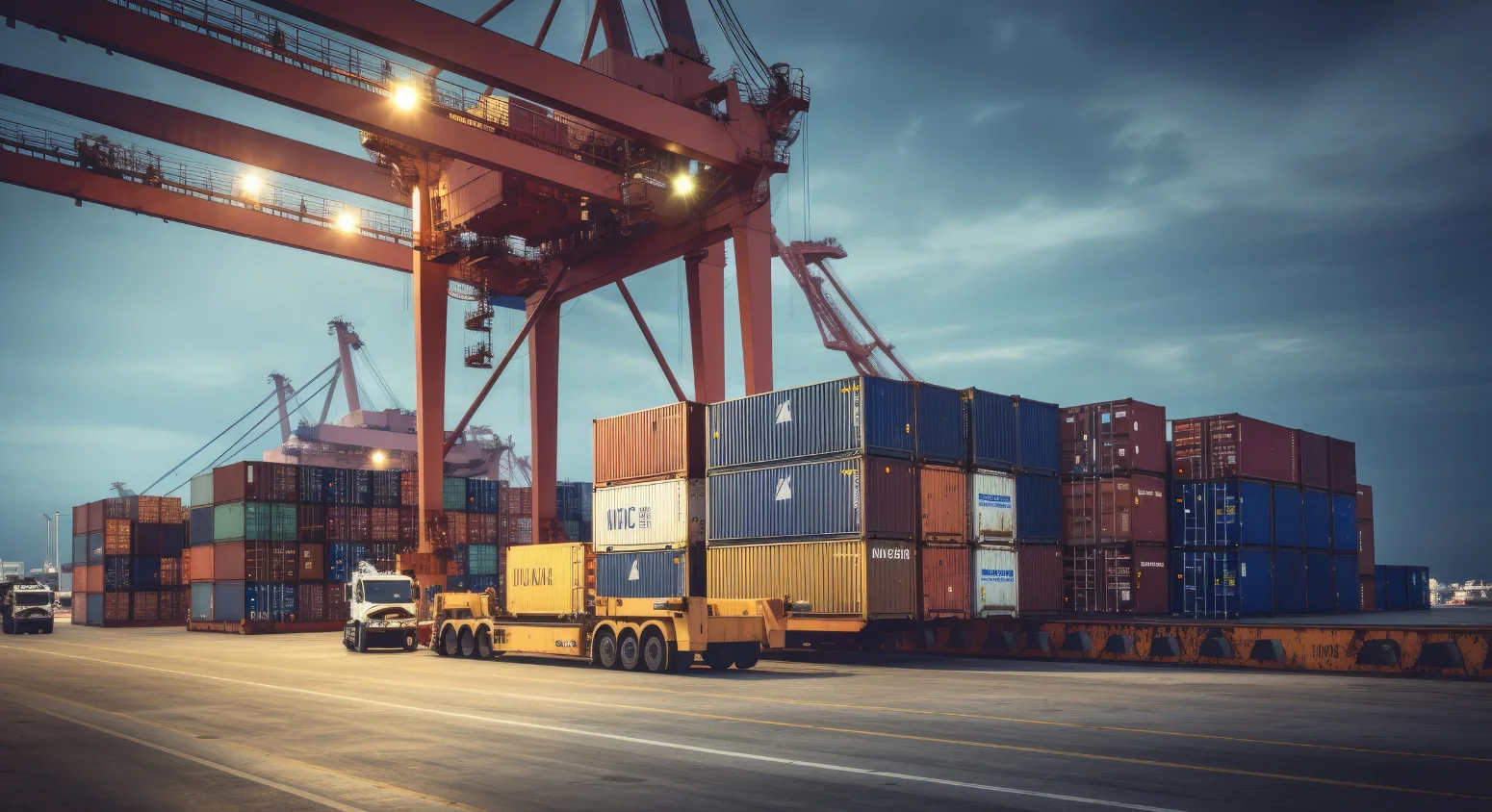

Choosing the right container loading dock is key to running a warehouse efficiently. Have you ever noticed how some facilities handle shipping containers quickly and safely, while others face delays and risks? The type of loading dock affects not only speed and productivity but also container handling safety.
From traditional heavy-duty docks to innovative portable and alternative solutions, understanding your options can help you move containers more efficiently, reduce costs, and protect your team. In this guide, we’ll explore common loading dock types, specialized setups, and alternative solutions, giving you the insight to select the best container dock for your warehouse operations.
Traditional Loading Dock Designs
Traditional loading docks are still the most common choice for many warehouses, and for good reason. But have you ever noticed why some warehouses move containers smoothly while others face delays or safety issues? A lot of it comes down to the type of container loading dock they use.
Standard Raised Docks
These docks line up perfectly with truck beds, making it easy to load and unload containers quickly. They help reduce damage and keep operations running smoothly.
Ground-Level Docks
Ground-level docks are simple and cost-effective. Forklifts can drive directly under or into containers, which works well for smaller warehouses or tight budgets.
Docks with Levelers
Levelers fill the gap between the truck and the warehouse floor. They adjust to different truck heights, making container movement safer and more efficient.
Traditional docks are strong, reliable, and great for high-volume operations. Understanding these types can help you pick the right setup and keep your warehouse running efficiently every day.
Specialized Loading Dock Types
While traditional docks work for many warehouses, some operations need something more specialized. Have you ever wondered how busy or high-volume facilities handle different container sizes and truck types without slowing down? That’s where specialized loading dock types come in.
Enclosed Loading Bays
These docks protect containers and cargo from weather, dust, and contamination. By keeping the loading area enclosed, your team can work safely and efficiently, even in harsh conditions.
Recessed or Pit Docks
Designed for warehouses with limited space, pit docks allow trucks to back in without blocking traffic lanes. They make container handling smoother in tight areas.
Multi-Story or Vertical Docks
Urban warehouses or high-rise storage facilities often use multi-story docks. These setups let you load and unload containers on different floors, maximizing space without compromising speed or safety.
Specialized docks combine functionality and efficiency. By choosing the right type, you can improve shipping container loading, streamline warehouse operations, and ensure your team works safely every day.
Portable and Temporary Dock Solutions
Not every warehouse has the space or budget for a full traditional dock, and that’s where portable and temporary solutions come in. Have you ever needed to move containers quickly at a site without a fixed dock? Mobile and modular setups can make all the difference.
Mobile Container Docks
These docks can be moved wherever you need them, providing flexibility for seasonal operations or temporary sites. They help maintain container movement efficiency without investing in permanent infrastructure.
Adjustable Dock Plates
Dock plates bridge the gap between trucks and the warehouse floor, adapting to different truck heights. They make loading and unloading safer while keeping operations smooth.
Pop-Up or Modular Docks
Perfect for short-term projects, modular docks can be quickly deployed and removed. They’re a cost-effective way to handle shipping container loading without compromising safety or efficiency.
Portable and temporary dock solutions offer flexibility and speed. By using these alternatives, you can improve container handling, keep operations agile, and reduce downtime when traditional docks aren’t an option.
Alternatives to Traditional Docks
Not every facility can rely on a fixed loading dock, and that’s completely okay. In fact, many operations today prefer flexible container dock alternatives that save space, reduce costs, and improve workflow. Have you ever wished for a setup that adapts to your site instead of the other way around? These alternatives might be exactly what you need.
Side-Loading Systems
Side-loading makes it easier to work in tight areas where trucks can’t back in. This approach is especially helpful for safe container handling in tight spaces, giving teams more control and reducing the risk of accidents.
Forklift-Direct Loading
Some facilities skip the dock altogether and rely on forklifts to move containers directly. It’s a simple method that works well for smaller operations that want to reduce infrastructure costs without slowing down container handling.
Container Movers and Dollies
When space is limited, mobile tools like container movers allow teams to shift containers safely and efficiently. These systems support smoother container logistics solutions by reducing the need for large dock structures.
Exploring these alternatives can open up new possibilities for your facility. Whether you’re dealing with space limitations or looking for more flexible container handling solutions, these options give you the freedom to design a workflow that truly fits your needs.
Choosing the Right Dock or Alternative
With so many options available, choosing the right container loading dock—or a flexible alternative—can feel overwhelming. But the good news is that you don’t need a one-size-fits-all solution. The best choice depends on your space, workflow, volume, and long-term goals. So, how do you decide what truly fits your operation?
1. Understand Your Daily Operations
Think about how often you handle containers, what types of trucks arrive, and how much space you have. High-volume facilities typically benefit from heavy-duty loading docks, while smaller sites might rely on simpler container handling solutions.
2. Look at Your Space and Layout
Your warehouse setup plays a huge role.
- Tight spaces may require container dock alternatives.
- Larger warehouses can use raised docks or enclosed bays for smoother movement.
Choosing a setup that complements your layout improves container movement efficiency and reduces downtime.
3. Prioritize Safety and Compliance
Container loading safety should never be an afterthought. Look for features like dock levelers, guardrails, and proper lighting. A safe setup protects your team and lowers the risk of costly accidents.
4. Consider Long-Term Value
Instead of focusing only on cost, think about reliability and maintenance. A dock that feels expensive at first may save time, reduce repairs, and boost productivity over years of use.
Selecting the right loading dock—or the right alternative—sets the foundation for safer, faster, and more efficient operations. When you match the solution to your warehouse needs, you create a workflow that supports both your team and your long-term goals.
Ready to revolutionize how you lift and move your containers?
👉 Discover Tri-Up today — the modular container lifting system built for power, flexibility, and precision.
Final Take: Choosing the Right Path for Smarter Container Handling
Finding the right container loading dock—or the right alternative—isn’t just about equipment. It’s about building a system that supports your workflow, protects your team, and keeps your operation moving without unnecessary delays. As you’ve seen, every option offers its own strengths. So the real question is: which solution will give your facility the safest, smoothest, and most efficient path forward?
Whether you’re optimizing warehouse dock design, exploring container dock alternatives, or simply trying to improve container movement efficiency, the key is making informed choices. When you match your setup with your space, your volume, and your long-term goals, you’re not just improving container handling—you’re future-proofing your entire operation.
If you’re still weighing options, take a step back and ask yourself:
- What slows us down today?
- Where do we need more flexibility?
- How can we improve container loading safety without overcomplicating things?
With the right approach, your loading process can become faster, safer, and far more reliable than ever before.
FAQs
1. What is the most common container loading dock used in warehouses?
Standard raised docks are the most common because they align with truck heights and make shipping container loading faster and safer.
2. Are portable dock solutions strong enough for heavy containers?
Yes. High-quality portable loading solutions, such as mobile container docks, are built for strength and can handle demanding industrial loading needs.
3. How do I know if I need a dock alternative instead of a traditional dock?
If you have limited space, irregular container sizes, or want more flexibility, container dock alternatives like side-loading systems or movers may be the better fit.
4. Do dock levelers really improve safety?
Absolutely. Dock levelers for containers help bridge height gaps, reduce accidents, and create a smoother, safer loading experience for your team.


