
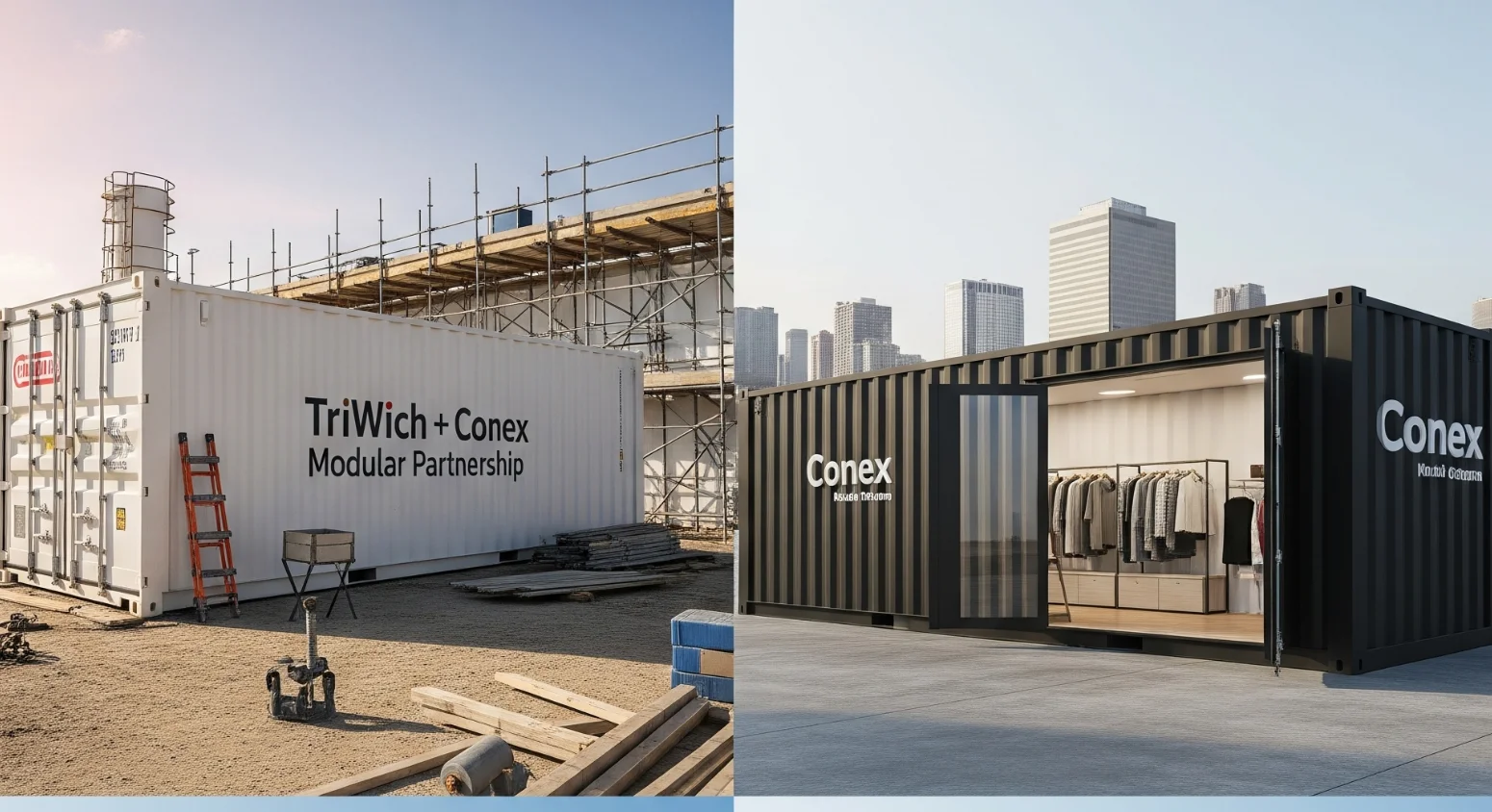

A Conex container—often called a Conex box or steel storage container—is one of the most dependable tools in modern storage and transport. But what actually makes it so strong, so versatile, and so widely used? If you’ve ever wondered what a Conex container is or why industries rely on it, you’re in the right place.
Originally built for military use, the Conex container has become a global standard thanks to its durability, standardized dimensions, and compatibility with modern freight systems. Today, it’s central to shipping container basics, serving construction sites, logistics operations, and even custom building projects.
In this guide, you’ll get a clear, easy-to-understand breakdown of what sets these containers apart—and why they remain essential for secure, long-term storage and transport. Let’s dive in.
Table of Contents
1. Understanding What a Conex Container Is
If you’ve ever driven past a port, a construction site, or a storage yard, you’ve likely seen a Conex container. These strong steel boxes are everywhere—but what makes them so useful, and why do so many industries rely on them?
A Conex container is simply a tough, weather-resistant steel box built to protect and move goods safely. It was first used by the military, but over time it became a standard in global shipping because it’s secure, easy to move, and built to last. Today, when people ask what a Conex container is, the answer usually comes down to two things: strength and consistency.
What Makes a Conex Container Special?
A few simple features set a Conex container apart from everyday storage boxes:
- Strong steel construction that stands up to wind, rain, and heavy use
- Standard sizes, similar to an ISO container, so they fit easily on trucks, ships, and trains
- Secure doors and locks that help keep items safe
- Designed for smooth transport, following basic shipping container basics
Because of these qualities, many people prefer a Conex box for long-term storage or transporting valuable items.
How Conex Containers Became a Worldwide Standard
Their journey is surprisingly straightforward:
- Started in the military to move supplies quickly and safely
- Adopted by shipping companies because the design saved time and money
- Matched ISO standards, making global transport easier
- Used across industries, from construction to manufacturing to storage businesses
This simple, proven design is a big reason Conex containers remain so popular today.
Why This Matters to You
Whether you need extra storage, plan to ship goods, or want a strong structure for a new project, knowing the basics helps you choose the right option. Understanding how a Conex container compares to an ISO container or other steel units ensures you pick something that fits your needs without confusion.
A Conex container isn’t just another metal box—it’s a reliable, secure, and widely trusted solution for storing and transporting almost anything.
Explore: What Is a 20-Foot Shipping Container?
2. Types of Conex Containers
When it comes to Conex containers, one size does not fit all. Have you ever wondered why some are taller, some have open tops, or others are refrigerated? Understanding the types of Conex containers helps you choose the right one for your storage or transport needs.
Common Types of Conex Containers
Here’s a breakdown of the most widely used options:
- Standard Dry Storage Containers
- The most common type, perfect for general storage and shipping.
- Usually made of heavy-duty steel and fully enclosed.
- The most common type, perfect for general storage and shipping.
- High-Cube Containers
- Taller than standard units, offering extra vertical space.
- Ideal for bulky cargo or industrial materials.
- Taller than standard units, offering extra vertical space.
- Open-Top and Flat-Rack Containers
- Open tops allow loading oversized or irregular items from above.
- Flat-rack versions are perfect for machinery or construction equipment.
- Open tops allow loading oversized or irregular items from above.
- Refrigerated (Reefer) Containers
- Equipped with cooling systems to transport perishable goods.
- Keep your items safe and at a controlled temperature.
- Equipped with cooling systems to transport perishable goods.
- Modified or Custom Conex Containers
- Can be converted into offices, workshops, or mobile storage.
- Flexibility makes them popular for industrial and commercial use.
- Can be converted into offices, workshops, or mobile storage.
Why Knowing the Types Matters
Choosing the right Conex cargo container can save time, money, and stress. For example:
- A steel Conex container with standard dimensions works perfectly for most freight shipments.
- High-cube or custom units are better for specialized storage or construction needs.
By understanding the differences, you can match the container to your project, whether it’s transporting goods, setting up on-site storage containers, or creating a mobile workspace.
Every type of Conex container is designed with safety, durability, and efficiency in mind—so knowing your options ensures you get the best fit for your goals.
Discover: What Is a 40-Foot Shipping Container?
3. Key Uses Across Industries
Have you ever stopped to think about why Conex containers are everywhere—from busy ports to construction sites, and even in creative building projects? The answer lies in their versatility. These Conex shipping containers are not just boxes; they’re practical solutions for a wide range of storage and transport needs.
Where Conex Containers Shine
- Construction Site Storage
- Keep tools, materials, and equipment safe and organized.
- Portable and durable, perfect for harsh environments.
- Keep tools, materials, and equipment safe and organized.
- Industrial Storage Solutions
- Factories and warehouses use them for secure, long-term storage.
- Ideal for holding raw materials, finished goods, or oversized equipment.
- Factories and warehouses use them for secure, long-term storage.
- Military and Government Use
- Originally designed for military logistics, still used for transporting supplies and gear.
- Known as a Military Conex box, trusted for reliability in critical operations.
- Originally designed for military logistics, still used for transporting supplies and gear.
- On-Site Storage Containers
- Temporary or permanent storage for events, retail, or emergency relief.
- Easy to move and set up exactly where you need them.
- Temporary or permanent storage for events, retail, or emergency relief.
- Creative and Commercial Applications
- Converted into mobile offices, pop-up shops, or even homes.
- Flexible design makes them popular for modular building projects.
- Converted into mobile offices, pop-up shops, or even homes.
Why They Are So Valuable
Understanding what are Conex containers used for helps you see why they’re a go-to solution across industries:
- Durable and secure – built from strong steel to protect contents
- Portable and stackable – easily moved and stored efficiently
- Cost-effective – reduces the need for permanent structures or repeated transport
Whether you’re looking to store equipment, transport cargo, or explore innovative building options, Conex containers provide a reliable, practical, and flexible solution. Their widespread use across industrial storage solutions, construction site storage, and creative projects proves that one simple box can do a lot more than just hold things.
Also Read: Rent or Buy? Your Guide to Shipping Container Rental
4. Benefits of Using Conex Containers
Have you ever wondered why so many businesses and industries rely on Conex containers? The reason is simple: they are strong, secure, and flexible. Whether you’re shipping goods, storing tools, or creating a temporary workspace, these steel boxes offer more than meets the eye.
Why Conex Containers Are Useful
- Strong and Weatherproof
- Made from tough steel, steel Conex containers can handle rain, wind, and rough handling.
- They keep your items safe from damage and theft.
- Made from tough steel, steel Conex containers can handle rain, wind, and rough handling.
- Safe and Secure
- Lockable doors and strong frames make them a secure steel storage solution.
- Perfect for construction sites, factories, or even personal storage.
- Lockable doors and strong frames make them a secure steel storage solution.
- Cost-Effective
- A Conex box is cheaper than building permanent storage.
- Low maintenance makes it a smart long-term choice.
- A Conex box is cheaper than building permanent storage.
- Portable and Easy to Move
- Can be transported by truck, ship, or train.
- Stackable design saves space in yards or terminals.
- Can be transported by truck, ship, or train.
- Flexible and Customizable
- Can be turned into offices, workshops, or mobile storage units.
- Works for many types of projects or business needs.
- Can be turned into offices, workshops, or mobile storage units.
Why This Matters to You
Knowing the benefits of Conex containers helps you pick the right solution for your storage or transport needs. They aren’t just steel boxes—they are reliable, practical, and save time and money. With the right steel Conex container, you get a safe and flexible storage option for almost anything.
You Might Like: What is a Shipping Container Certification for Export
5. How to Choose the Right Conex Container
Choosing the right Conex container might seem simple at first—after all, it’s just a steel box, right? But selecting the right size, type, and condition can make a big difference for your storage or transport needs. Let’s walk through how to make the best choice.
1. Determine Your Needs
Ask yourself a few key questions before picking a container:
- What will you store or transport?
- How much space do you need?
- Will it stay in one place or be moved frequently?
Answering these helps you decide between a standard steel Conex container, a high-cube unit, or a custom option.
2. Choose the Right Size and Type
- Standard containers are great for most shipping and storage needs.
- High-cube or oversized units provide extra vertical space for bulky items.
- Refrigerated containers keep perishable goods safe.
- Modified containers can be converted into offices, workshops, or mobile storage.
Knowing your purpose ensures you don’t overpay or choose a container that doesn’t fit your project.
3. Consider New vs. Used
- New containers offer maximum durability and long-term use.
- Used containers are cost-effective but may have wear or damage.
- Always check for rust, dents, or structural issues before buying.
4. Check Dimensions and Transport Needs
- Make sure the container’s dimensions and sizes fit your space and transport options.
- Consider how you will move it—truck, train, or on-site handling—especially if you plan on transporting Conex containers regularly.
5. Final Tips for Making the Right Choice
- Work with trusted suppliers who provide accurate information on condition and specifications.
- Think about flexibility—can the container adapt if your needs change?
- Factor in cost, maintenance, and long-term usability.
By following these steps, you can pick a Conex shipping container that fits your project perfectly, whether it’s for storage, transport, or a creative build. Choosing wisely ensures safety, convenience, and value for your investment.
Suggested Read: What is a Shipping Container Shed?
Conclusion
By now, you have a clear understanding of what a Conex container is and why it has become a cornerstone of storage and transport worldwide. From its sturdy steel build to its versatile designs, a Conex box is more than just a container—it’s a reliable solution for shipping, industrial storage, construction sites, and even creative projects.
Have you considered how a Conex shipping container could simplify your next project? Whether you need secure on-site storage, portable transport, or even a customized workspace, knowing the types, benefits, and selection process ensures you make the right choice. Investing in the right steel Conex container not only protects your goods but also saves time, reduces costs, and adds flexibility to your operations.
Understanding these containers helps you see why industries continue to rely on them for industrial storage solutions, transporting Conex containers, and creative uses alike. So the next time you see a Conex box, you’ll know it’s not just a steel container—it’s a practical, long-lasting solution designed to meet real-world demands.
FAQs
1. What is a Conex container used for?
Conex containers are used for shipping, secure storage, construction sites, industrial storage solutions, and even creative projects like offices or workshops.
2. How strong are Conex containers?
Built from high-quality steel, Conex containers are extremely durable and weather-resistant, capable of withstanding heavy loads, harsh conditions, and long-term use.
3. Can Conex containers be customized?
Yes, many Conex boxes can be modified into offices, workshops, mobile storage units, or other specialized solutions depending on your needs.
4. What should I consider when choosing a Conex container?
Consider the size, type, new vs. used condition, transport requirements, and your specific storage or project needs to ensure you pick the right container.


