

Moving shipping containers isn’t always easy—and choosing the right tool can make a big difference. Should you use a dolly or a forklift? If you’re handling containers often, this choice can affect how fast, safe, and cost-effective your work really is.
Dollies, especially vehicle wheel dollies and shipping container dollies, are becoming more popular because they’re simple to use and work well in tight spaces. On the other hand, forklifts are known for their strength and lifting power—but they’re also bigger, more expensive, and need trained operators.
So how do you know which one is better for your needs?
In this blog, we’ll compare both tools in a clear and simple way. We’ll look at how they work, where they fit best, how much they cost, and what to think about before making your decision. If you’re looking for a smarter, safer way to move containers, you’re in the right place.
Let’s get started.
Table of Contents
1. Key Functional Differences Between Dollies and Forklifts
When it comes to moving shipping containers, not all tools are created equal. Understanding how dollies and forklifts function can help you make a smarter, more cost-effective choice for your business. But first—what exactly is a dolly?
What Is a Dolly and How Does It Work?
A wheel dolly is a simple but powerful tool designed to move heavy objects with ease. Think of it like a wheeled platform—low to the ground, compact, and surprisingly strong. In the world of container transport, specialized tools like shipping container dollies and vehicle wheel dollies are gaining traction due to their ability to move heavy loads without the bulk of heavy machinery.
Here’s why dollies are a go-to for many teams:
- Compact design makes them easy to store and maneuver.
- Quick setup—no engine, no training, no fuss.
- Great for tight or limited-access areas where forklifts can’t reach.
Dollies also come in various types, including auto dolly wheels, heavy-duty wheel dollies, and single wheel dollies, depending on the weight and size of the container you’re handling.
Forklifts: Power Meets Precision
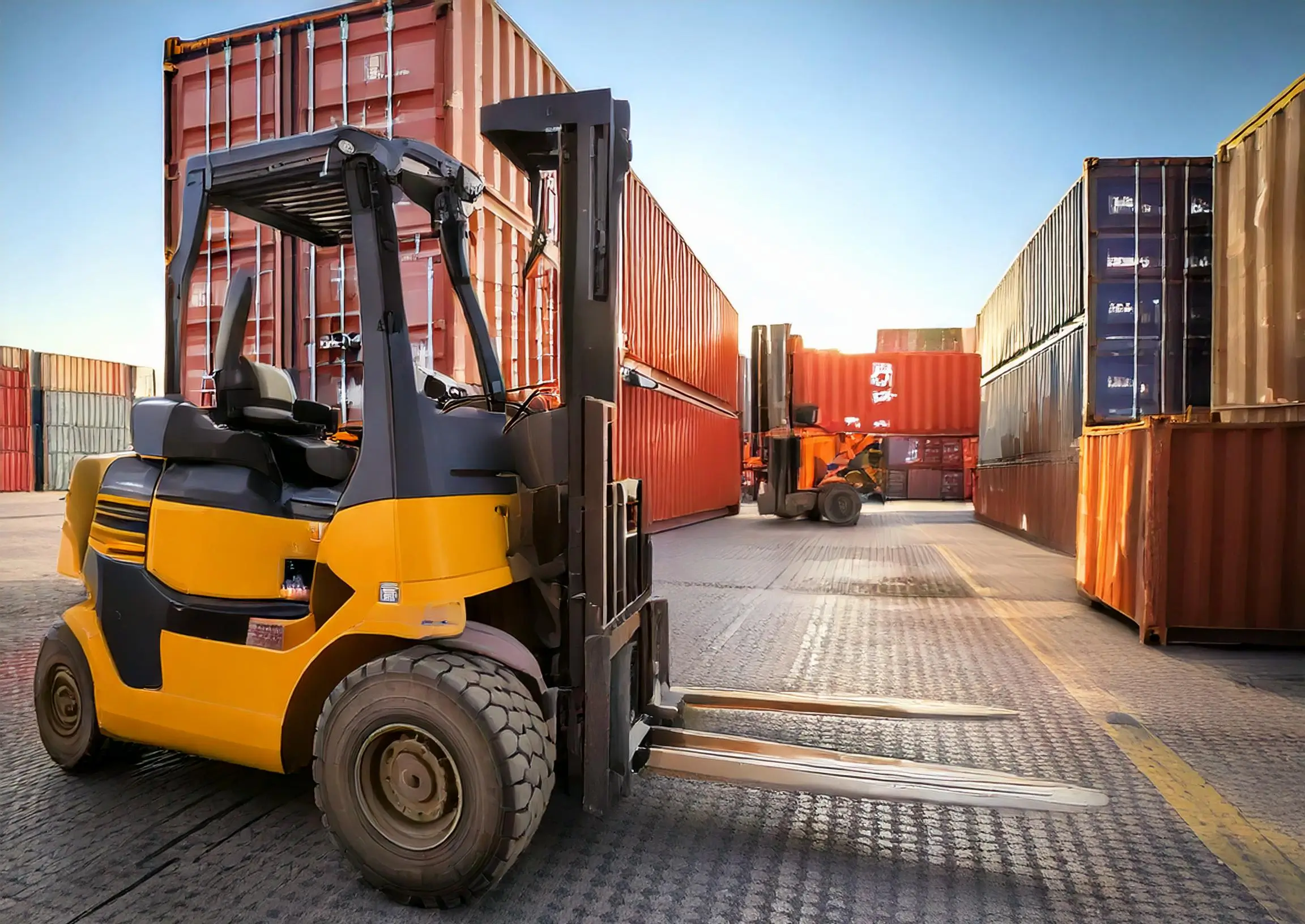
Forklifts, on the other hand, are industrial workhorses. They lift, carry, and place heavy containers using forks that slide underneath the load. Their strength is unmatched, especially in large-scale operations.
Some key advantages include:
- High load capacity—ideal for heavier or stacked containers.
- Lift height flexibility, allowing for vertical stacking.
- Strong traction and stability on varied terrains.
However, forklifts come with challenges: they require trained operators, regular maintenance, and enough space to operate safely.
Comparing the Two: Which Works Best for You?
Let’s break it down:
| Feature | Dollies | Forklifts |
| Ease of Use | Simple, no special training needed | Requires licensed operator |
| Cost | Lower initial and maintenance cost | Higher upfront and operating costs |
| Space Requirements | Compact, works in tight spots | Needs wide turning space |
| Load Capacity | Lower, ideal for moderate loads | High, suitable for large containers |
| Setup Time | Quick and easy | Slower setup, more steps involved |
If your project involves moving containers over short distances or in small areas, tire dolly wheels or automotive wheel dollies might be your best bet. But for lifting and stacking heavier containers at scale, forklifts might be worth the investment.
So, ask yourself—do you need power or practicality? Efficiency or versatility?
Choosing the right tool depends on your workspace, load type, and long-term goals. In the next section, we’ll dive deeper into the cost and accessibility factors that might help tip the scale.
2. Cost, Training, and Accessibility Factors
So, you’re weighing your options—dolly vs. forklift—but let’s talk about what often drives the decision: cost, training, and how accessible each tool really is. Whether you’re running a large operation or managing a lean, on-the-go setup, these factors can make or break your workflow (and your budget).
1. What’s the Real Cost?
Let’s start with the basics: How much are you really spending?
Sure, a forklift brings power—but with that power comes a hefty price tag.
Forklift Costs:
- High upfront investment (new or even used models)
- Ongoing maintenance and servicing fees
- Fuel or battery costs
- Mandatory certification for operators
Dolly Costs:
- Lower purchase price, especially for tools like vehicle wheel dollies or shipping container dollies
- Minimal maintenance
- No fuel or power source required
- Long-lasting with simple care
If your business needs a flexible and affordable solution, a dolly might win hands down. Tools like heavy duty wheel dollies offer excellent durability at a fraction of the price of a forklift.
2. Who Can Use It?
One big difference between these tools is the training required.
- Forklifts: Operators must be trained, licensed, and often re-certified regularly. This adds both time and cost.
- Dollies: Simple, manual tools—no license or special skill needed.
That means a dolly can be used by almost anyone on your team, right out of the box. It’s the kind of tool that saves you time and avoids bottlenecks during busy operations.
3. How Much Space Do You Really Have?
Forklifts are bulky. They need turning space, clear aisles, and open paths.
Dollies? They shine in tight spaces. If you’re working in urban areas, temporary setups, or storage yards with narrow paths, tire dolly wheels or auto dolly wheels let you move containers without needing to restructure your space.
Here’s a quick comparison:
Feature Dolly Forklift Purchase Price Low High Maintenance Minimal Regular servicing required Training Needed None Certified operator only Space Requirements Very low Needs wide space to maneuver Flexibility High – works in small areas Limited – needs structured layout
Still wondering which tool is easier to manage day-to-day? If cost-efficiency and ease-of-use are at the top of your list, shipping container dollies and vehicle wheel dolly systems can offer a big win—especially in smaller setups or fast-paced environments where every minute and dollar counts.
Next up, we’ll look at how both tools perform in real-world conditions, especially when space is tight and terrain is less than perfect. Stay with me.
3. Efficiency, Maneuverability, and Terrain Performance
When you’re moving shipping containers, speed and control matter just as much as strength. The question is—how well do dollies and forklifts really perform when the pressure’s on? From narrow corners to rugged job sites, your equipment’s ability to move smoothly and safely can shape the entire workflow.
Let’s break down the real-world performance of each tool, especially in tight or uneven conditions.
Can You Move Easily in Tight Spaces?
One of the biggest benefits of using a vehicle wheel dolly or tire dolly wheels is how well they handle in tight or crowded environments. Whether you’re working inside a warehouse or navigating around other containers, dollies are:
- Compact and low-profile
- Easy to guide manually or with a tow
- Perfect for low-clearance areas where forklifts can’t reach
Forklifts, by contrast, need more room to maneuver. Their turning radius, load size, and height all demand careful planning. If space is tight, that could mean delays or even damage.
How Do They Handle Uneven or Off-Road Terrain?
Not all container yards are smooth and paved. Some sites have gravel, dirt, or uneven concrete. In these conditions, performance really depends on the build of your equipment.
Forklifts:
- Most models are designed for flat, stable surfaces
- Larger pneumatic tire options help on rougher terrain
- Can struggle or tip if the ground is too soft or uneven
Dollies:
- Heavy duty off-road casters make a big difference
- Some models are built specifically for rough surfaces
- Lower center of gravity helps maintain balance
If you’re planning to work off-road or in unpredictable environments, choosing the right heavy duty wheel dolly can give you stability without the bulk of a forklift.
Which One Works Faster?
Let’s be honest—speed matters.
- Forklifts offer fast vertical lift but require setup time and careful navigation.
- Dollies are quicker to deploy and reposition, especially over short distances.
If you’re frequently repositioning containers or need to move several in a row, tools like automotive wheel dollies let your team stay in motion with less downtime.
Summary: Efficiency at a Glance
| Feature | Dollies | Forklifts |
| Tight Space Maneuverability | Excellent | Moderate to Poor |
| Uneven Terrain Performance | Good with off-road models | Varies based on tire and size |
| Speed for Short Moves | Fast setup and repositioning | Slower due to load handling |
| Load Repositioning | Easy with multiple team members | Requires single operator control |
Still Not Sure?
If your operation demands frequent moves in tight spaces or across rugged surfaces, investing in a well-built vehicle wheel dolly system can give you more flexibility without sacrificing control. Forklifts might still win in heavy industrial settings, but for smaller yards or mobile teams, dollies often move faster, safer, and smarter.
Next, we’ll explore safety, stability, and how each tool holds up over time—because it’s not just about getting the job done, it’s about getting it done right.
4. Safety, Longevity, and Use Case Suitability
Safety isn’t optional when moving shipping containers—it’s a priority. And when you’re choosing between a dolly and a forklift, it’s not just about how well they move, but how well they protect your team, your equipment, and your cargo.
Let’s take a close look at how both tools compare when it comes to safety, long-term use, and the environments they work best in.
Which Option Offers Better Safety?
The truth is, both tools can be safe—if used correctly. But they come with different risks and responsibilities.
Forklifts:
- Require trained, certified operators
- Can tip over on uneven ground or with off-center loads
- Visibility issues with tall or bulky containers
- Risk of damaging containers if not aligned properly
Dollies:
- Simpler to use and move—no motor or sharp turns
- Auto dolly wheels and vehicle wheel dolly designs offer low-clearance stability
- Fewer mechanical parts = fewer points of failure
- Lower risk of collision in tight or indoor spaces
For many teams, shipping container dollies reduce hazards by keeping the load closer to the ground and allowing for more controlled movement—especially with multiple hands on deck.
How Long Do They Last?
If you’re investing in equipment, durability matters. You want tools that hold up over time, not ones that need constant repair or early replacement.
- Forklifts need regular maintenance—hydraulics, tires, engines, and brakes all wear down with heavy use.
- Heavy duty wheel dollies are built for long-term performance, especially those with steel frames and reinforced caster wheels.
Because dollies have fewer moving parts, they’re less likely to break down, and easier to repair if something does go wrong.
Choosing the Right Tool for the Right Job
Not every tool fits every situation. Ask yourself:
- Are you moving containers regularly or just occasionally?
If it’s not your everyday task, a forklift might be overkill. - Do you need to lift vertically, or just shift positions?
If vertical stacking is essential, forklifts are your go-to. But if it’s about moving across flat ground, dollies are often faster and safer. - Is your team large or small?
Dollies work great for teams who can work together to guide loads—no license required. Forklifts need one operator per move.
Quick Use Case Guide:
Use Case Best Tool Indoor warehouse with tight aisles Vehicle wheel dolly Outdoor yard with stacked containers Forklift Occasional container relocation Shipping container dolly Rough ground or gravel surfaces Heavy duty off-road casters High-volume daily loading Forklift
You don’t have to choose based on power alone. When you factor in safety, longevity, and how the tool will actually be used day to day, dollies often outperform forklifts in smaller, more agile operations. They’re simpler, safer, and more affordable—especially if you’re moving containers in tight spaces or flat environments.
Still unsure? Think about the risks you’re willing to take and the maintenance you’re ready to manage. Sometimes, less machine means less headache—and that’s worth considering.
Conclusion: Making the Right Move for Your Operation
So—dolly or forklift? It’s not a simple either-or. The right choice depends on your space, your workload, and what really matters to your team. Do you need raw lifting power, or is mobility and ease of use more important? Are you managing a large operation, or just looking for a smarter way to handle a few containers each week?
If you’re dealing with tight spaces, limited budgets, or want something you can use without a certified operator, shipping container dollies and vehicle wheel dollies offer an incredibly flexible and cost-effective solution. On the other hand, if you’re lifting heavy loads, stacking containers, or operating on a large industrial scale, forklifts still hold their ground.
What’s clear is this: you don’t have to overspend or overcomplicate your container-moving strategy. With tools like auto dolly wheels or even heavy duty wheel dolly systems, you can take control of your transport process—safely, affordably, and efficiently.
Now it’s your turn.
Ask yourself:
- What does your daily workflow look like?
- Could you benefit from simpler tools with less maintenance?
- Are you paying more for equipment than you actually need?
By thinking long-term and choosing tools that fit your real-world needs—not just industry norms—you’ll save time, reduce risks, and move forward with more confidence.
FAQs
Q1: Are shipping container dollies strong enough to handle full-sized containers?
Yes, many heavy duty wheel dollies are specifically built to handle the weight of standard shipping containers. Just ensure you choose a model rated for your container’s weight and ground conditions.
Q2: Do I need any special training to use a dolly?
No special certification is needed. Tools like vehicle wheel dollies and auto dolly wheels are designed to be user-friendly, making them ideal for teams that want to get started quickly without licensing hurdles.
Q3: Can dollies be used on uneven or outdoor terrain?
Absolutely—with the right setup. Heavy duty off-road casters allow dollies to handle rough or uneven surfaces safely. Look for models designed specifically for outdoor use to ensure stability and durability.


