

In industries, workshops, and even homes, caster wheels play a bigger role than most realize. They make heavy equipment easier to move, improve safety, and boost efficiency, all while keeping operations smooth and steady.
Whether it’s swivel caster wheels for flexibility or fixed caster wheels for control, each type is designed for a specific purpose. This guide breaks down everything you need to know about industrial caster wheels, from how they work to how to choose the right ones for your needs.
By understanding the basics of caster wheel design and modern innovations in eco-friendly industrial transportation, you’ll see just how much impact the right caster can have on performance and productivity.
Table of Contents
Understanding Caster Wheels and Their Purpose
Caster wheels might look simple, but they make a big difference in how we move things. From factory floors to hospital rooms, they help move heavy equipment, carts, and furniture with ease. Without them, even basic transport tasks would take much more time and effort.
So, what exactly are caster wheels and why are they important?
Caster wheels are small rolling devices attached to the bottom of equipment or furniture. They make it easy to move objects smoothly in any direction, depending on the type you choose.
How Do Caster Wheels Work
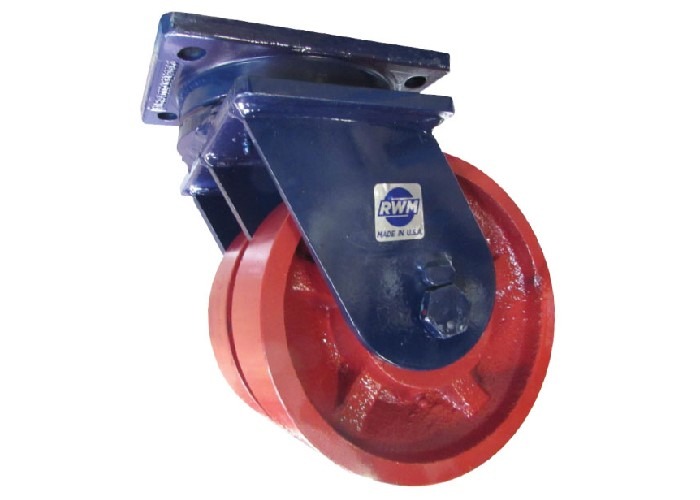
Each wheel caster is fixed to a metal frame called a yoke. This yoke connects to the base of the item you want to move. There are two main types of caster wheels:
- Swivel caster wheels turn in all directions, giving you easy movement and flexibility.
- Fixed caster wheels move straight, providing stability and control.
The right combination of these two types allows for smooth movement, especially when dealing with tight spaces or heavy loads.
Benefits of Using Caster Wheels
Caster wheels are used in many workplaces because they:
- Make moving heavy objects easier and safer.
- Protect floors from scratches and wear.
- Save time and effort by improving mobility.
- Allow better control when positioning equipment.
Where Are Caster Wheels Used
You’ll find industrial caster wheels in many settings, such as warehouses, factories, hospitals, and offices. They are also common in material handling caster wheels systems used for carts, platforms, and machinery.
In simple terms, caster wheels keep everything moving. They improve safety, reduce strain, and help create efficient workplaces. Understanding their purpose is the first step to choosing the right wheel for the job.
Exploring the Types of Caster Wheels
Not all caster wheels are made the same. Each type is designed for a specific purpose, offering unique advantages depending on how and where you use it. Understanding the types of caster wheels helps you choose the right one for your needs—whether it’s for easy steering, stability, or carrying heavy loads.
Swivel Caster Wheels
Swivel caster wheels can rotate 360 degrees, allowing you to move equipment in any direction. They’re perfect for spaces where you need flexibility, such as workshops, hospitals, or warehouses. These wheels make it easy to turn corners, move around obstacles, and handle tight areas without much effort.
You’ll often see swivel casters on:
- Tool carts and hospital beds
- Office chairs and trolleys
- Warehouse and factory equipment
If your goal is easy movement and smooth control, swivel casters are the right choice.
Fixed Caster Wheels
Unlike swivel types, fixed caster wheels move in a straight line. They don’t rotate side to side, which gives them more stability and strength. This makes them ideal for moving heavy loads safely in a single direction.
You’ll find fixed casters used on:
- Heavy machinery and industrial carts
- Warehouse platforms
- Long-distance transport equipment
When used together, swivel and fixed casters create the perfect balance—one set for easy turning and the other for steady movement.
Heavy-Duty and Specialty Casters
For heavy load caster wheels, strength and durability are key. These casters are built from high-quality materials like steel or polyurethane to handle weight without bending or wearing out. You’ll often see them in industrial caster wheels used in manufacturing plants or material handling caster wheels for large containers.
There are also specialty casters designed for specific needs, such as:
- Locking caster wheels to keep equipment in place
- Noise-reducing caster wheels for quieter operation
- Shock-absorbing caster wheels for smoother transport on uneven floors
Choosing the Right Type
When deciding between swivel and fixed caster wheels, think about how you’ll use them. Ask yourself:
- Do I need flexibility or straight-line stability?
- Will the floor surface affect movement?
- How much weight will the caster support?
By understanding these caster wheel types, you can make smarter choices that improve safety, performance, and efficiency. The right caster doesn’t just move your load—it moves your work forward.
Materials and Construction: What Makes a Quality Caster Wheel
When it comes to industrial caster wheels, performance depends on more than just size or shape. The secret lies in their materials and construction. The right combination of strength, flexibility, and design can make all the difference in how smoothly and safely your equipment moves.
Choosing the Right Caster Materials
Different applications require different materials. The type of caster materials you choose determines how well your wheels perform and how long they last. Here are some of the most common options:
- Rubber Caster Wheels: Ideal for indoor use. They absorb shocks, protect floors, and reduce noise. Perfect for offices, hospitals, and light-duty carts.
- Polyurethane Caster Wheels: Great for both light and heavy loads. They resist wear, provide excellent traction, and handle uneven floors with ease.
- Steel or Cast Iron Casters: Built for strength. These are best for heavy load caster wheels used in factories or warehouses. However, they may cause more noise on hard surfaces.
- Nylon or Plastic Casters: Lightweight and corrosion-resistant, making them perfect for wet or chemical-prone environments.
Each material offers unique benefits. For instance, shock-absorbing caster wheels made of rubber or polyurethane can reduce vibration and protect delicate equipment, while steel casters focus on maximum durability.
The Role of Caster Wheel Design
A well-engineered caster wheel design improves both movement and safety. Quality designs often include:
- Precision Bearings for smooth rolling and reduced friction.
- Strong Yokes and Mounts to hold the wheel securely under pressure.
- Reinforced Housings for added protection in rough industrial environments.
- High Load Ratings to handle the weight without slowing down mobility.
These design elements come together to create smooth mobility wheels that perform consistently even under tough conditions.
Why Construction Quality Matters
Poorly made wheels can slow operations, damage floors, and even cause accidents. Investing in well-built industrial caster wheels ensures better performance, less maintenance, and a longer lifespan.
So, when choosing caster wheels, don’t just think about the size. Pay attention to what they’re made of, how they’re built, and how they fit your work environment. A quality caster wheel isn’t just a small part—it’s the foundation of reliable and efficient movement.
Selecting the Right Caster Wheel for Your Application
Choosing the right caster wheel might seem simple, but it can make a huge difference in safety, efficiency, and performance. The right match depends on what you’re moving, where you’re moving it, and how much it weighs. By understanding these factors, you can avoid costly mistakes and ensure your equipment runs smoothly for years.
Factors to Consider When Choosing Caster Wheels
When selecting industrial caster wheels, think about how they’ll perform in your specific environment. Here are some key points to guide your choice:
- Load Capacity
Every caster has a weight limit. Exceeding it can damage both the wheel and the equipment. To find the right heavy load caster wheels, divide the total weight of your load by the number of casters. Then, choose a wheel with a slightly higher capacity to ensure safety and long-term use. - Floor Surface Compatibility
Not all floors are the same, and neither are caster materials. For smooth indoor surfaces, polyurethane or rubber caster wheels offer quiet movement and protect the flooring. On rough or uneven ground, steel or nylon wheels are better suited for durability and strength. - Wheel Size
Wheel diameter affects mobility. Larger caster wheel sizes roll more easily over obstacles, while smaller ones are best for compact spaces. When in doubt, consider the terrain and frequency of movement before deciding. - Mobility and Direction
If you need flexibility in movement, go for swivel caster wheels. For straight-line travel or controlled movement, fixed caster wheels work best. Many setups use a combination of both to balance mobility and stability.
Matching Casters to Their Application
Different workplaces require different types of casters. Here are some common examples:
- Warehouses: Use material handling caster wheels for trolleys and platforms that move heavy boxes.
- Factories: Depend on industrial caster wheels for durable, high-load transport.
- Workshops or Studios: Prefer smooth mobility wheels that make frequent repositioning easier.
- Transport and Logistics: Combine various casters to optimize safety and efficiency in tight spaces.
Making a Smarter Choice
When asking yourself, “What size caster wheel do I need?” or “How do I choose the right one?”—think beyond just the price or look. Consider the environment, weight, and frequency of use.
The right caster wheel doesn’t just move your equipment—it improves your workflow, protects your floors, and keeps your team safe. Taking the time to choose the right caster wheel applications today means smoother operations tomorrow.
Installation and Maintenance Tips for Longer Lifespan
Even the best caster wheels won’t last forever if they aren’t installed or maintained correctly. Proper care ensures your wheels perform smoothly, reduce wear and tear, and keep your operations safe and efficient. Whether you’re using industrial caster wheels in a factory or material handling caster wheels in a warehouse, small steps in setup and maintenance go a long way.
Installing Caster Wheels the Right Way
Correct installation is the first step toward better performance. Before mounting, always:
- Check Compatibility: Make sure the caster matches the equipment’s load capacity and surface type. Using the wrong wheel can lead to imbalance or early failure.
- Inspect the Mounting Surface: Ensure it’s clean, flat, and strong enough to support the total weight.
- Secure Bolts and Plates: Tighten all fasteners properly to prevent wobbling or uneven rolling.
- Test Movement: After installation, roll the equipment to confirm that the swivel caster wheels and fixed caster wheels move freely and align correctly.
A well-installed caster not only improves handling but also extends the overall life of the wheel and equipment.
Maintenance Tips for Lasting Performance
Regular maintenance is key to keeping heavy-duty caster wheels working at their best. Here are a few easy habits to follow:
- Clean regularly: Remove dust, grease, and debris that can cause resistance.
- Lubricate moving parts: Keep the bearings and swivels well-oiled to reduce friction and noise.
- Inspect for damage: Look for flat spots, cracks, or bent mounts that could affect movement.
- Tighten hardware: Loose bolts can cause instability and uneven wear.
Following these simple steps can dramatically increase the lifespan of your caster setup.
Knowing When to Replace Caster Wheels
Even with proper care, caster wheels eventually wear out. You’ll know it’s time to replace them when:
- The wheel no longer rolls smoothly or makes excessive noise.
- Bearings are rusted, broken, or missing.
- The frame or mount shows visible cracks or bends.
Replacing damaged wheel casters quickly prevents downtime and reduces the risk of accidents.
The Value of Preventive Care
Maintenance isn’t just about fixing problems—it’s about preventing them. A well-maintained caster wheel system supports smoother operations, reduces repair costs, and improves workplace safety.
Taking a few minutes each month to inspect and care for your caster wheels ensures they’ll keep your equipment rolling efficiently for years. After all, smooth movement starts with smart maintenance.
Innovations and Trends in Caster Wheel Design
Caster wheels have come a long way from being simple rolling parts. Today, they play a big role in how industries move heavy loads, equipment, and containers. As work environments get busier and more focused on safety and sustainability, caster wheel design keeps getting smarter and stronger.
Smarter and Easier to Use
Modern caster wheels are built to make movement smoother and safer. Some of the latest improvements include:
- Quieter wheels that reduce noise in factories or workshops.
- Shock-absorbing casters that protect both the floor and the load.
- Locking casters for better control and stability.
- Smooth bearings that make it easier to push and pull heavy items.
These upgrades don’t just make work easier—they also help reduce injuries and improve overall efficiency.
Moving Toward Eco-Friendly Solutions
Sustainability has become a key part of industrial design. Many companies now prefer eco-friendly industrial transportation tools that use recyclable materials and last longer. Wheels with low rolling resistance also help save energy.
TriWich is one brand leading this shift with its AnyWich modular caster system, which is designed for durability, flexibility, and environmental responsibility. It proves that you don’t need to sacrifice strength to go green.
Working with Modern Mobility Systems
Caster wheels now work hand in hand with advanced container handling systems and automated tools. They’re essential for moving containers in tight spaces, warehouses, and workshops where every inch counts.
Here’s what modern caster systems offer:
- More control during transport.
- Less effort when moving heavy containers.
- Faster reconfiguration to fit different load types.
The Future of Caster Wheels
The future looks bright for caster wheel technology. Expect to see stronger materials, smarter designs, and maybe even sensor-equipped wheels that track performance and wear.
In simple terms, caster wheels are getting more intelligent, more sustainable, and more efficient—helping industries move with greater speed, control, and care for the environment.
Conclusion
The way we move heavy loads and containers is changing fast. From simple caster wheels to advanced eco-friendly industrial transportation systems, innovation is driving smarter, safer, and more efficient movement. Whether you’re working in logistics, construction, or manufacturing, the right mobility tools make all the difference.
Think about it—how much time and effort could you save with tools designed for precision and ease? Products like LiftWich, AnyWich, and Wheel Dollies show how modern engineering helps you move multiple containers smoothly, even in tight spaces. It’s not just about power; it’s about smarter control, sustainability, and long-term reliability.
As industries evolve, investing in better movement solutions isn’t optional—it’s essential. With the right mobility systems, you can reduce manual labor, improve safety, and increase productivity across your entire operation.
So, the real question is: are you ready to take the next step in transforming how you move and manage containers?
FAQs
1. What makes eco-friendly industrial transportation important?
It reduces carbon emissions, saves energy, and promotes sustainable operations without compromising performance or durability.
2. Can caster systems like AnyWich handle different load sizes?
Yes. The AnyWich modular caster system is designed to adjust easily for various load types, offering both flexibility and strength.
3. How do Wheel Dollies help when moving containers in tight spaces?
Wheel Dollies provide smooth mobility and control, allowing you to maneuver containers in confined or crowded areas with minimal effort.
4. Why is TriWich a trusted name in mobility solutions?
TriWich focuses on durability, safety, and innovation, offering tools like LiftWich and AnyWich that simplify heavy load movement while supporting eco-friendly practices.
