
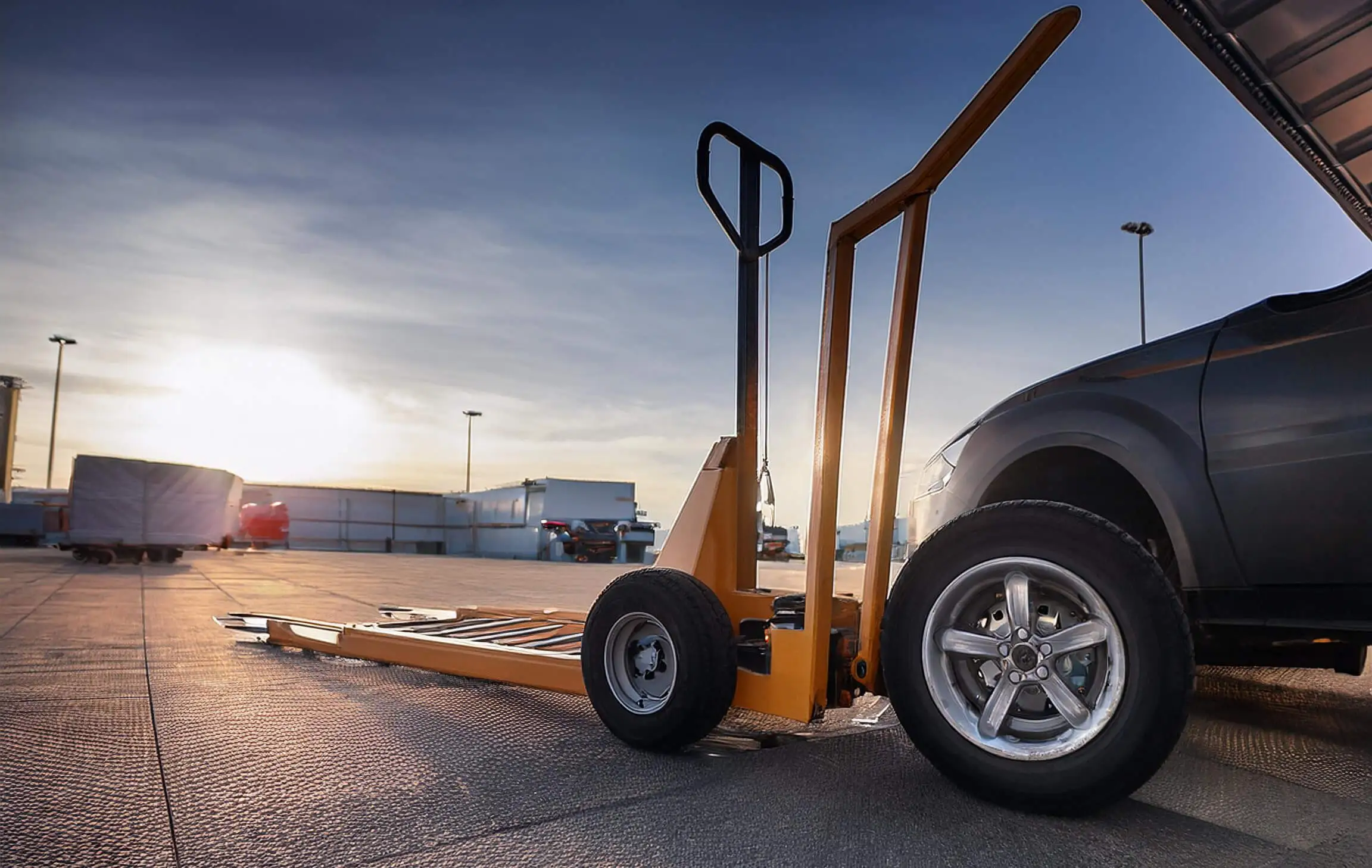

When it comes to moving vehicles safely and efficiently, choosing the right wheel dolly makes all the difference. Whether you’re a car enthusiast, professional mechanic, or garage owner, the right dolly can save time, protect your vehicle, and simplify everyday tasks. With options like heavy-duty, vehicle-specific, and multi-purpose wheel dollies, it’s important to consider factors such as load capacity, maneuverability, durability, and space constraints. This guide helps you confidently select the ideal wheel dolly for cars, trucks, RVs, or trailers—ensuring smooth, safe, and stress-free vehicle movement every time.
Quick Answer:
Choosing the right wheel dolly starts with matching the dolly’s load capacity to your vehicle’s weight so it can handle the job safely and efficiently. You should also consider maneuverability, including wheel type and caster design, especially if you’re moving vehicles in tight spaces. Build quality—such as materials, durability, and safety features—matters for long-term performance and reliability. Finally, evaluate additional features and overall value to ensure you pick a dolly that fits your needs and budget.
Table of Contents
1. Understanding Wheel Dollies
Moving a vehicle around a garage or workshop can be tough without the right tools. That’s where a wheel dolly comes in. But what exactly is it, and why do so many people rely on it for cars, trucks, and heavy equipment?
A wheel dolly is a strong platform with wheels that lets you lift and move a vehicle safely. Instead of pushing or towing, you can easily roll your car, RV, or trailer across a flat surface—even in tight spaces. But not all dollies are the same, so it’s important to know the basics.
What a Wheel Dolly Is and How It Works
A wheel dolly lifts your vehicle’s wheels off the ground. You roll your tires onto the dolly, and its heavy-duty wheel dolly design keeps the weight balanced. This makes it easy to lift and move vehicles without hurting your back or damaging the tires and floor.
Types of Wheel Dollies
There are different wheel dollies for different vehicles:
- Automotive wheel dollies – Best for cars and small trucks.
- Truck dollies & RV wheel dollies – Made for heavier vehicles.
- Multi-purpose dollies – Work for different types of vehicles or equipment.
Benefits of Using Wheel Dollies
Using a wheel dolly makes moving vehicles safer and easier:
- Easy to move – Perfect for tight spaces.
- Better garage space – Helps organize your vehicles.
- Safe for vehicles – Reduces scratches, tire wear, and accidents.
- Works for many vehicles – From cars to heavy trucks.
Learning how wheel dollies work is the first step to picking the right one. Next, we’ll see how to choose a dolly that fits your vehicle and your needs for smooth and safe moving every time.
2. Assessing Your Load Requirements
Before picking a wheel dolly, it’s important to know exactly what you need it to do. Have you thought about the size and weight of your vehicle? Understanding your load requirements will help you choose the right vehicle wheel dolly that can handle the job safely.
Determine Your Vehicle’s Weight
Not all dollies are built the same. A small car doesn’t need the same strength as a heavy truck or RV. Check your vehicle’s weight and pick a dolly that can handle it comfortably. Look for heavy-duty wheel dollies if you’re moving larger vehicles.
Consider Wheel Size and Tire Compatibility
Wheel dollies come in different sizes to fit different tires. Make sure the dolly can hold your car, truck, or trailer tires securely. The right fit ensures smooth movement and prevents slipping.
Explore: Tire Size & Load Index Calculator
Think About Load Distribution and Stability
Balance is key. A good dolly keeps your vehicle level while moving. Uneven weight can make moving tricky and even unsafe. Load capacity wheel dollies are designed to keep your vehicle stable, no matter its size.
Plan for the Type of Vehicle
- Cars & small trucks: Standard automotive wheel dollies work well.
- Trucks & RVs: Look for dollies built for heavier loads.
- Trailers & multi-purpose use: Choose dollies that can handle different vehicles safely.
By taking the time to assess your load requirements, you can ensure your wheel dolly is strong, stable, and ready for your vehicle. Next, we’ll explore how to make sure your dolly moves easily and smoothly, even in tight spaces.
3. Evaluating Mobility and Maneuverability
Even the strongest wheel dolly won’t be helpful if it’s hard to move your vehicle where you need it. So, how do you make sure your dolly is easy to handle and works well in your space? Let’s break it down.
Steering Options: Swivel vs. Fixed Wheels
Wheel dollies come with different types of casters:
- Swivel wheels – Let you turn in tight spaces easily, perfect for crowded garages.
- Fixed wheels – Keep your vehicle moving straight and stable, ideal for long, straight moves.
Choosing the right wheel type makes moving vehicles safer and less stressful.
Navigating Tight Spaces
Do you often work in a garage or shop with limited space? If so, you’ll want a dolly designed for mobile vehicle transport in small areas. Look for compact designs or multi-purpose dollies that let you rotate and shift vehicles smoothly without bumping into walls or equipment.
Floor Surface Considerations
Where you use your dolly matters. Smooth concrete floors make movement easy, but textured or uneven surfaces need stronger casters or heavy-duty wheel dollies for stability. Ensuring the dolly matches your floor type prevents accidents and makes your work more efficient.
Tips for Better Maneuverability
- Always roll slowly and steadily to maintain control.
- Keep the dolly centered under the wheel for balance.
- Use multiple dollies for heavy or long vehicles to distribute weight evenly.
By focusing on mobility and maneuverability, you can move vehicles safely, even in tight spots or challenging garage layouts. Next, we’ll look at materials and build quality to make sure your dolly lasts for years to come.
4. Material and Build Quality
When choosing the right wheel dolly, strength and durability are just as important as mobility. After all, you want a dolly that can handle your vehicle safely for years without issues. So, what should you look for in terms of materials and construction?
Steel vs. Aluminum Dollies: Strength vs. Weight
- Steel dollies – Extremely strong and built to handle heavy vehicles, like trucks or RVs. Ideal if you need maximum durability.
- Aluminum dollies – Lighter and easier to move while still strong enough for most cars and small trucks. Great for those who value portability.
Durability and Corrosion Resistance
A dolly will last longer if it’s resistant to rust and wear. Look for powder-coated finishes or galvanized materials, especially if you use it in humid garages or outdoor spaces. This ensures your heavy-duty wheel dollies stay safe and reliable over time.
Safety Features
Safety should never be overlooked. Consider dollies with:
- Brakes or locking wheels – Keep your vehicle secure while moving or parked.
- Strong handles – Make steering and positioning easier.
- Reinforced frames – Prevent bending or wobbling under heavy loads.
Why Build Quality Matters
A well-built dolly isn’t just about strength—it’s about confidence. When you choose a dolly with high-quality materials, you reduce the risk of accidents, protect your vehicles, and make moving them much simpler.
By understanding material choices and build quality, you can pick a vehicle wheel dolly that fits your needs, whether it’s for light cars or heavy trucks. Next, we’ll explore additional features and accessories that can make your dolly even more useful and versatile.
5. Additional Features and Accessories
Once you’ve chosen a wheel dolly that fits your vehicle and load needs, it’s worth exploring extra features that can make moving vehicles even easier. Did you know small details can significantly improve safety, efficiency, and convenience?
Multi-Directional Casters for Smooth Movement
Some heavy-duty wheel dollies come with casters that rotate in multiple directions. This allows you to:
- Turn vehicles in tight spaces without hassle
- Position cars or trucks precisely in a garage or workshop
- Reduce the effort needed for moving heavy loads
Stackable or Modular Designs
If you have limited storage, a multi-purpose dolly with a stackable or modular design can save space. You can store multiple dollies compactly or combine units for larger vehicles, making your garage more organized and efficient.
Compatibility with Other Equipment
Certain dollies work well with additional tools like ramps, lifts, or trailer hitches. This means you can create a complete mobile vehicle transport system, improving workflow and keeping your vehicles safe during moves.
Built-In Safety Features
Some dollies include:
- Brakes or locks to keep vehicles secure during stops
- Reinforced frames for added stability
- Easy-grip handles for better control
By considering these extra features, you not only make moving vehicles easier but also safer. The right vehicle wheel dolly with smart accessories can save you time, protect your vehicles, and make your garage a more efficient workspace.
6. Budgeting and Value Considerations
Choosing the right wheel dolly isn’t just about strength and features—it’s also about getting the best value for your money. How do you balance cost, quality, and long-term benefits without overspending? Let’s break it down.
Balance Cost with Longevity and Performance
A cheaper dolly might seem attractive, but will it last? Investing in a heavy-duty wheel dolly or a well-built vehicle wheel dolly can save you money over time by reducing repairs, replacements, and potential vehicle damage.
Consider Maintenance Requirements
Some dollies require more upkeep than others. Look for options that are easy to clean, rust-resistant, and have durable wheels. A low-maintenance dolly not only lasts longer but also makes your work easier and safer.
Evaluate Professional vs. DIY Dollies
- Professional-grade dollies – Designed for repeated use, heavier loads, and better safety features. Ideal for garages, workshops, or frequent movers.
- DIY or budget dollies – Good for occasional use or lighter vehicles, but may not offer the same durability or safety.
Think Long-Term Savings
Spending a little more upfront on a high-quality wheel dolly can save you stress, time, and money in the long run. Consider how often you’ll use it, what vehicles you’ll move, and whether extra features like load capacity wheel dollies or modular designs add real value for you.
By carefully weighing cost, performance, and long-term benefits, you can select a wheel dolly that fits your budget and keeps your vehicles safe. With the right planning, you’re ready to move on to safer, smoother, and more efficient vehicle transport.
Conclusion
When it comes to moving vehicles safely and efficiently, choosing the right wheel dolly is essential. Whether you’re a car enthusiast, professional mechanic, or garage owner, the right dolly saves time, protects your vehicle, and streamlines daily tasks. With choices ranging from heavy-duty to vehicle-specific and multi-purpose wheel dollies, key factors like load capacity, maneuverability, durability, and space requirements matter most. This guide helps you select the ideal wheel dolly for cars, trucks, RVs, or trailers—ensuring smooth, safe, and hassle-free vehicle movement every time.
FAQs
1. What is the best wheel dolly for cars and trucks?
Use automotive wheel dollies for cars and heavy-duty wheel dollies for trucks and RVs.
2. Can I use a wheel dolly in small spaces?
Yes! Look for dollies with swivel wheels or compact designs for mobile vehicle transport in tight spots.
3. How do I know if a dolly can hold my vehicle?
Check the load capacity wheel dolly. Pick one slightly stronger than your vehicle’s weight to stay safe.
4. Are wheel dollies safe for storing vehicles?
Yes. Dollies with brakes or locks keep vehicles stable, making them great for garage storage solutions.
5. What extra features should I look for in a wheel dolly?
Look for dollies with strong frames, easy handles, modular designs, or compatibility with ramps and lifts. These make moving vehicles safer and easier.


