
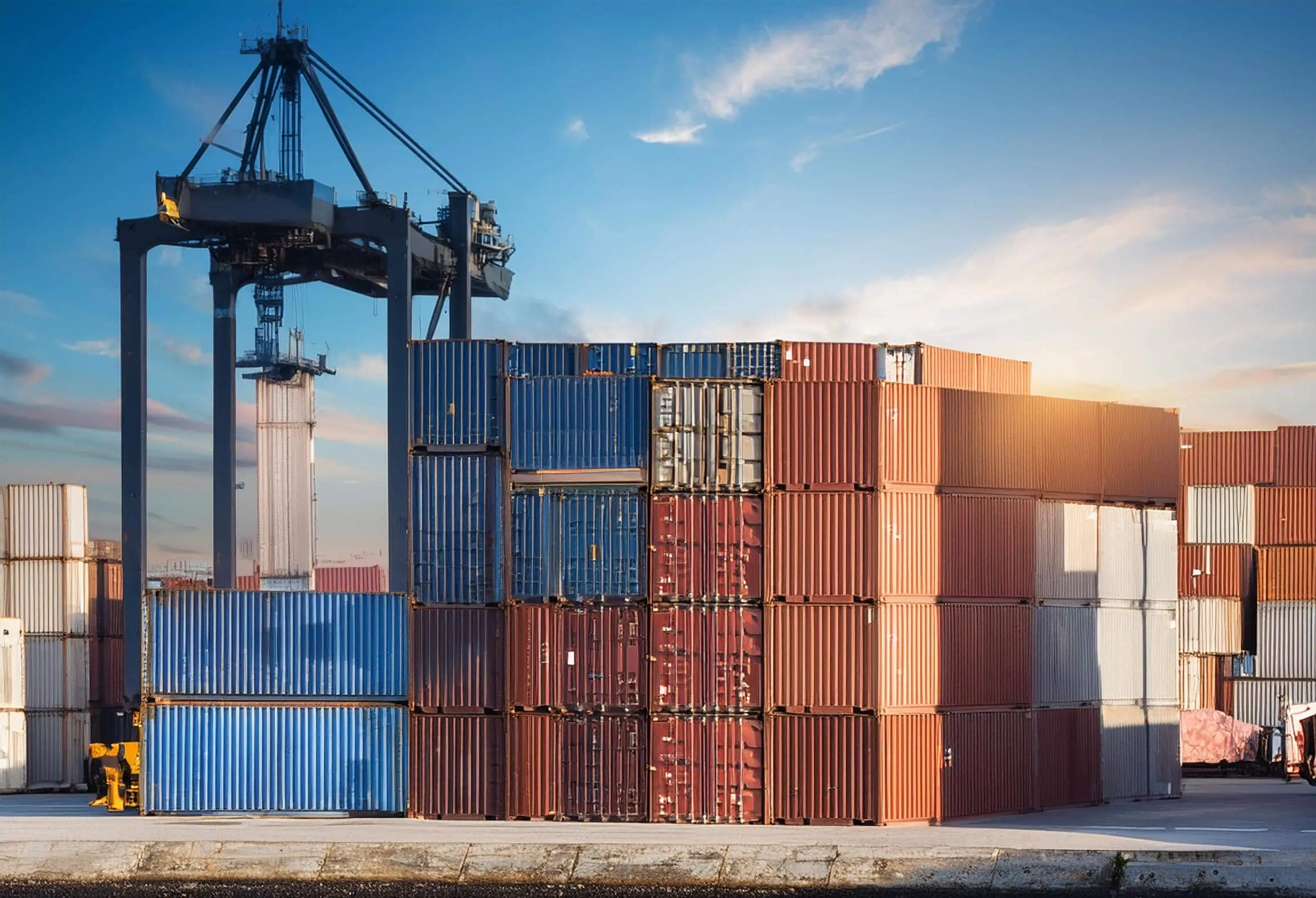

When it comes to moving heavy shipping containers, one of the biggest questions professionals face is this: What’s the easiest way to off load a container—anywhere, without depending on bulky cranes or industrial forklifts? Whether you’re managing a construction site, operating a remote facility, or handling logistics in a tight urban space, flexibility and simplicity matter.
Traditional methods to unload a container often come with serious drawbacks—complex equipment, high labor costs, and the risk of delays. But technology and smarter mobility tools are changing the game. Today, it’s not just about lifting a container; it’s about how to unload a container efficiently, safely, and wherever your operation demands.
In this post, we’ll break down modern off-loading solutions that put you in control, even in the most challenging environments. You’ll discover tools, tips, and techniques that eliminate guesswork and make container handling easier than ever—no heavy machinery required.
Let’s explore how you can transform a complex task into a streamlined process with the right system.
Table of Contents
1. The Real-World Challenges of Container Off-Loading
Have you ever looked at a shipping container and thought, “How am I going to move container without a crane or big machine?” You’re not alone. Many people face this problem, especially when working in places like construction sites, small yards, or remote locations. Finding a simple way to off load a container can feel almost impossible.
While moving a container might sound easy, there are real problems that come with it—especially if the site isn’t perfect. Let’s take a closer look at some common challenges:
Why Off-Loading a Container Isn’t Always Easy
- No Equipment On-Site:
Many places don’t have cranes or forklifts ready to use. Without the right tools, it’s hard to unload a container safely. - Rough or Uneven Ground:
Soft dirt, gravel, or slopes can make it unsafe to move a heavy container. It might tip or sink. - Tight Spaces:
In crowded areas, there’s not much room to move. You can’t always bring in big machines, even if you have them. - Heavy Work and Safety Risks:
Using a lot of manual labor can lead to injuries or slow progress, especially when lifting or lowering heavy loads. - Wasted Time Waiting:
Waiting for equipment or outside help delays your work—and time is money.
Why These Problems Matter
When you can’t move containers easily, everything slows down. It affects your timeline, your team’s safety, and your budget. If you’re wondering how to unload a container in a safer, faster, and simpler way—without depending on large equipment—you’re asking the right question.
Up next, we’ll look at what really makes a container off-loading method “easy,” and how to choose one that works for your space, your team, and your needs.
Looking for a ready-to-use, all-in-one system?
Discover Tri-Up by TriWich—a powerful, compact solution designed to lift and move containers in almost any environment. It’s built for speed, safety, and total independence—no heavy machinery required.
Explore Tri-Up now and see how easy off-loading can be.
2. What Makes a Container Off-Loading Method Truly “Easy”?
So, what does it really mean to off load a container the easy way? Is it about having less equipment? Needing fewer people? Or getting the job done faster and safer? The truth is—it’s all of the above.
An easy off-loading method doesn’t just save time; it gives you the freedom to work anywhere, without waiting on expensive machinery or outside crews. Let’s break down the key features that make a container off-loading solution simple, smart, and stress-free.
Portability That Goes Where You Go
You shouldn’t need a flatbed truck or crane to bring your off-loading system to the site. The best tools are lightweight, compact, and easy to carry or tow.
Look for solutions that:
- Come in modular parts you can load in a van or pickup
- Don’t require power sources to operate
- Can be used on different types of terrain—gravel, grass, or even slopes
Tool-Free or Minimal Setup
Time matters. A method that requires heavy assembly or special skills can slow everything down.
A truly easy setup means:
- No need for forklifts, winches, or electrical hookups
- Simple instructions anyone on your team can follow
- Quick deployment—ready to use in minutes, not hours
Works Anywhere, Not Just at the Dock
Let’s face it—not every job site has the luxury of wide, paved spaces. You need a way to unload a container in tight or uneven areas.
Ideal systems allow you to:
- Move containers on rough or compacted ground
- Handle narrow clearances or low headroom
- Stay flexible whether you’re on a construction site or rural land
Built-In Safety for Peace of Mind
An easy method should also be a safe one. That means stability and control, even under heavy loads.
Safety-friendly features include:
- Load-stabilizing components that prevent tipping
- Shock absorption in heavt loads to reduce jolts and protect contents
- Brakes or locking mechanisms to keep containers secure
Low Labor, High Output
You shouldn’t need a crew of five just to move one container. The best systems let one or two people handle the entire process smoothly.
This means:
- Less strain on your team
- More time focused on your actual project
- Fewer injuries and downtime
When you find a solution that checks these boxes, you’re no longer stuck asking how to unload a container in a tough spot—you already know how. And better yet, you can do it confidently, safely, and efficiently.
3. Smart Tools That Make Off-Loading Anywhere Possible
Ever wish you could off load a container without needing a crane, a forklift, or an entire crew? You’re not alone. The good news? The right tools now make it easier than ever to unload containers safely and almost anywhere—even in the most limited spaces.
Thanks to innovative, portable solutions, what once required bulky machinery can now be done with compact, modular systems that are both reliable and user-friendly. Let’s explore the tools that are changing how professionals unload a container—on their own terms.
Container Lifting Jacks: Small Tools, Big Impact
These powerful jacks are built to raise fully loaded containers without the need for electricity or air tools.
Why they work:
- They’re easy to carry and set up
- Manual operation = no dependency on power
- Built for heavy-duty lifting, yet safe for one-person use
Whether you’re on rough ground or in a narrow spot, container lifting jacks give you total control over the lifting process.
Modular Wheel Dollies: Move With Confidence
Once the container is off the ground, you’ll need a way to move it—and that’s where wheel dollies come in. These aren’t your average wheels. They’re built for tough jobs, designed to handle massive weight while allowing smooth movement.
Key benefits:
- 360° maneuverability, even in tight spaces
- Shock-absorbing frames for safer transport
- Easy to attach and detach without tools
Need to move a container across gravel, grass, or concrete? Wheel dollies can handle it all.
Adjustable Hitch Systems: Make Transport Effortless
If you’re towing your container after off-loading, a reliable hitch system is key. Adjustable hitches make it possible to align and haul containers securely, no matter the towing vehicle.
What to look for:
- Compatibility with multiple vehicle types
- Height adjustment for uneven surfaces
- Lock-in features that prevent sway or disconnect
With the right hitch, transporting becomes a smooth, worry-free process.
Built-In Safety Mechanisms: Protection at Every Step
Any tool that helps you unload a container should also protect your team and your cargo. Modern systems often include features designed to reduce risk.
Safety features include:
- Anti-tip locking pins
- Stabilizing base plates
- Controlled descent functions for safer lowering
You’re not just saving time—you’re keeping everyone safer in the process.
4. Practical Tips for Off-Loading a Container Anywhere
Now that you know the right tools to use, let’s talk about how to actually off load a container safely and efficiently—whether you’re in a wide-open field or wedged between two buildings.
The beauty of modern container off-loading systems is that they’re designed to work almost anywhere. But success still depends on how you use them. From ground prep to positioning, the right approach makes all the difference.
Check Your Ground Before You Begin
Before anything else, take a look at where you’re off-loading. The surface doesn’t need to be perfect—but it should be stable.
Here’s what to look for:
- Avoid soft, muddy, or sandy areas that could shift under pressure
- Use plywood or steel plates if the ground is uneven or unstable
- Clear any debris that could get in the way of tools or wheels
This step helps ensure safety and protects your equipment from damage.
Plan Your Container Placement
Where you set the container matters just as much as how you set it.
Ask yourself:
- Will this spot allow access from all sides?
- Is there enough room to move around with tools or vehicles?
- Will I need to move it again soon—or is this the final location?
By planning ahead, you’ll avoid unnecessary rework or repositioning.
Use Tools the Right Way, in the Right Order
With your ground and placement ready, it’s time to use your tools.
Follow this simple step-by-step approach:
- Position the container jacks at each corner
- Lift slowly and evenly, alternating sides to maintain balance
- Slide in the wheel dollies once the container is high enough
- Lock everything in place before moving
- If towing, attach your hitch system and do a final safety check
Taking your time during setup can save hours later.
Stay Safe Throughout the Process
Off-loading a container might seem simple, but it’s still a heavy-duty job. Safety should always be top of mind.
Keep these tips in mind:
- Don’t rush the lifting process—slow and steady wins
- Always check that locks and brakes are secure before moving
- Avoid working alone if possible, especially on uneven ground
These steps help ensure you unload a container without any accidents or surprises.
Practice Makes It Easier
Like any hands-on task, the more you do it, the better you get. Each site is a little different, but with the right system, you’ll soon find your own rhythm.
Before long, you won’t just be wondering how to unload a container—you’ll be teaching others how to do it with confidence.
Conclusion: Off-Loading a Container Doesn’t Have to Be Complicated
So, what’s stopping you from off-loading your next container with less stress and more confidence?
As we’ve explored, the easiest way to off load a container isn’t about having the biggest machines or the largest team—it’s about working smarter. With the right tools and a clear process, you can turn what used to be a high-effort task into something smooth, safe, and efficient.
Whether you’re dealing with tight spaces, remote job sites, or rough terrain, the solutions are out there—and they’re more accessible than ever. From lifting jacks and wheel dollies to smart hitch systems, each tool plays a key role in helping you unload a container exactly where and how you need to.
Now, the question is: are you ready to leave behind old, frustrating methods and embrace a simpler way forward?
Because once you do, every container delivery becomes just another easy part of the job.
FAQs
1. Can I off load a container without a forklift or crane?
Yes! With tools like lifting jacks and modular wheel dollies, you can easily off load a container without relying on large, expensive equipment. These tools are designed to be portable, safe, and user-friendly.
2. What should I consider before choosing a container off-loading system?
Think about your terrain, how often you move containers, and how much space you have. Portability, safety features, and ease of use should be top priorities when selecting your tools.
3. Is it safe to unload a container in a tight space or uneven area?
Absolutely—as long as you use the right equipment. Many modern systems are built to handle uneven ground and compact environments while keeping the container stable throughout the process.


