
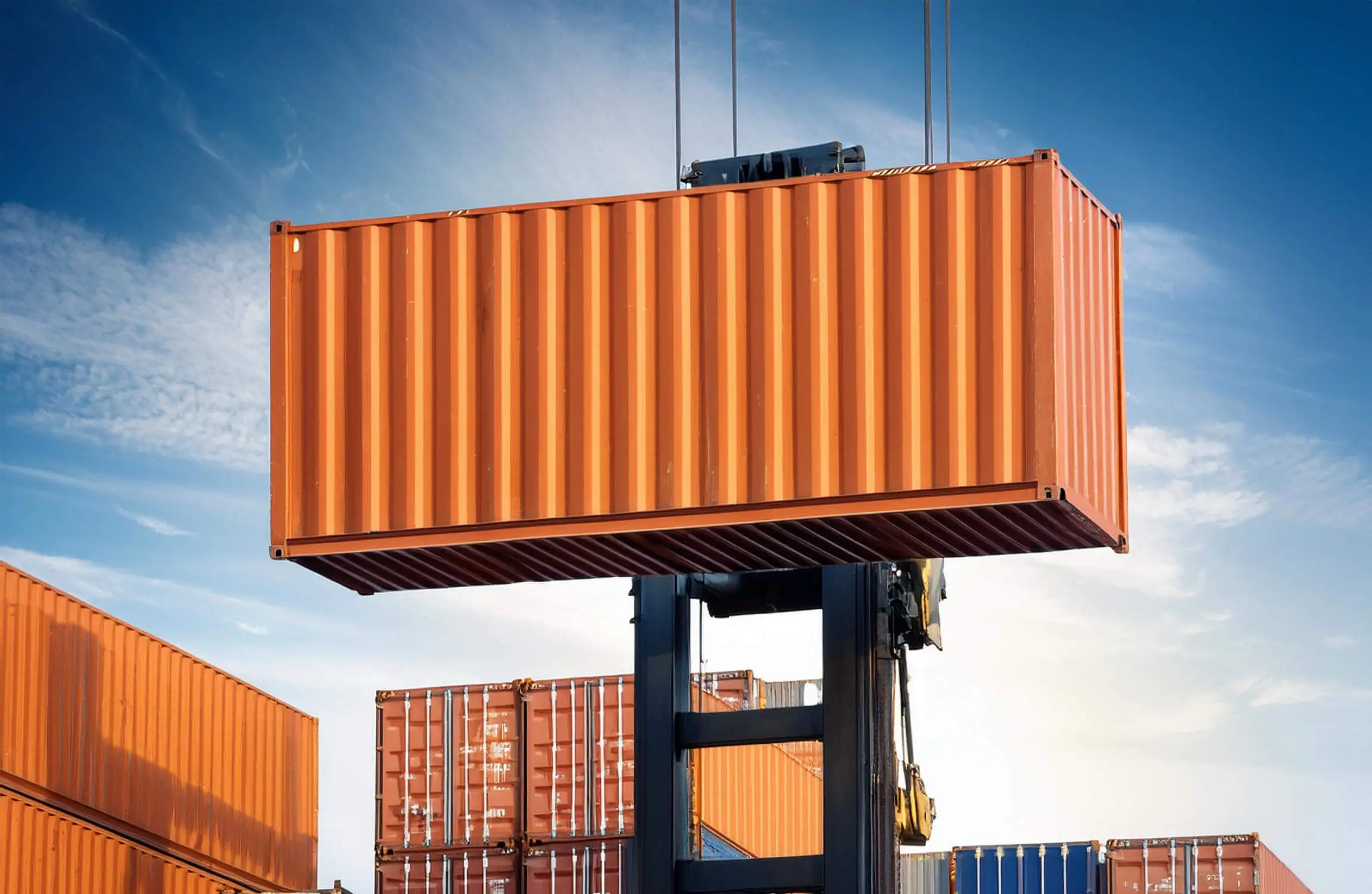

Lifting a shipping container isn’t as simple as it looks—its size and weight demand the right approach for safety and efficiency. Whether you’re setting up a site, relocating storage, or preparing containers for transport, using proper container lifting equipment is essential. Modern solutions like hydraulic jacks, modular systems, and the LiftWich container lifter make it possible to lift and reposition containers without heavy cranes. This guide covers safe lifting techniques and how to choose the right tools so you can handle containers confidently and securely.
Quick Answer:
Lifting a shipping container safely begins with knowing its weight, checking ground conditions, and choosing the right lifting equipment such as hydraulic jacks or modular lifting systems. Proper positioning and slow, balanced lifting are key to maintaining stability and preventing accidents. Once lifted, the container should be securely supported before any movement or placement. Using the right tools ensures safer, more efficient lifting without the need for heavy cranes.
Table of Contents
Understanding the Basics of Container Lifting
Before you begin any lifting task, it’s essential to understand what makes lifting shipping containers safely both challenging and important. A fully loaded container can weigh several tons, and even an empty one can be surprisingly heavy. That means the process of how to lift up a container isn’t just about strength, it’s about balance, planning, and using the right container lifting equipment.
So, why do so many projects rely on container lifting solutions? The answer lies in safety and precision. When containers are lifted unevenly or with the wrong tools, the results can be costly, damaged cargo, unsafe working conditions, and wasted time. That’s why every lift begins with understanding what you’re working with and how to do it correctly.
Here are a few key things to keep in mind before lifting a shipping container:
- Know your container’s weight and size. A 20-foot container can weigh around 5,000 lbs., while a 40-foot one can exceed 8,000 lbs.
- Inspect the lifting points. Check corners, hooks, and frames to ensure they’re in good condition before connecting any gear.
- Plan the lift path. Make sure the area around the container is clear, stable, and level to prevent tipping or shifting.
- Choose the right tools. Depending on your setup, you may use hydraulic jacks, container lifting systems, or specialized equipment like the LiftWich for controlled movement.
When you understand these basics, lifting becomes much safer and more predictable. It’s the difference between struggling with heavy loads and moving them with confidence. In the next section, we’ll explore how to evaluate your container and site conditions to make every lift efficient, stable, and secure.
Also Read: Easiest Way to Off Load a Container Anywhere
Evaluating Your Container and Site Conditions
Before you even touch a shipping container lifter or start positioning jacks, take a moment to assess your surroundings. The truth is, a successful and safe lift begins long before any equipment is turned on. Understanding your container’s condition and the space where you’ll be working helps you avoid costly mistakes and ensures your container lifting process runs smoothly from start to finish.
Let’s break down what you should check before lifting a shipping container:
- Measure and Identify the Container’s Weight and Size
Every lift starts with knowing what you’re dealing with. A 20-foot container loaded with goods can weigh drastically more than an empty one. Checking the container’s weight rating, structure, and load distribution helps determine which container lifting tools or systems are best suited for the job. - Inspect the Ground and Support Surface
Ask yourself, can the ground support both the container and your lifting equipment? Soft or uneven surfaces can cause instability during lifting. Always ensure the area is level, compact, and free from obstacles. If the terrain isn’t ideal, consider adding steel plates or supports to create a solid base. - Check the Container’s Structural Integrity
Before lifting, walk around the container to look for rust, bent edges, or weakened lifting container corners. These small issues can turn into big safety risks during the lift. If anything looks damaged, repair it before proceeding. - Plan the Movement Path
Think about where the container will go once it’s lifted. Is there enough space to move it safely? Are there tight corners or overhead obstructions? Planning your path helps prevent sudden stops or dangerous shifts. - Match the Site with the Right Equipment
Not all locations are suited for large cranes or heavy machinery. This is where portable and modular options shine. For example, a portable container lifter or a hydraulic container lifter offers greater flexibility in confined spaces, while the Tri-Up container lifter provides smooth, eco-friendly control for precise handling.
By carefully evaluating your container and work area, you’ll save time, reduce risks, and protect both your team and your equipment. In the next section, we’ll explore how to choose the right container lifting equipment for your specific needs, so every lift is safe, steady, and efficient.
Explore: How to Safely Transport Loaded Shipping Containers
Choosing the Right Container Lifting Equipment
Once you know your container and work area, the next step is picking the right container lifting equipment. The tools you use can make lifting much safer, faster, and easier. Whether you’re moving containers on a construction site, in a storage yard, or for transport, using the right system is key.
Here are the main tools to lift up a container, listed in order of common use and effectiveness:
- Hydraulic Container Lifter – Ideal for heavy containers, it uses controlled pressure to lift evenly, reducing the risk of tipping or accidents. Perfect for regular use and large loads.
- Portable Container Lifter – Flexible and easy to set up, this tool works well in tight spaces or remote areas where cranes and forklifts can’t reach.
- Tri-Up (TriWich) – A heavy-duty lifting system designed to lift, load, and unload containers safely and with precision. Perfect for controlled handling of large or sensitive loads.
- Manual Container Lifter – Simple and reliable for lighter containers or occasional lifts. Good for smaller projects or areas without powered equipment.
- Container Lifting Jacks – Cost-effective and easy to use for temporary lifts or maintenance tasks. Suitable for smaller containers or supporting other lifting systems.
Choosing the right container lifting systems ensures every lift is safe, smooth, and efficient, making the whole process much easier and more predictable.
Find Out: How Container Lifting Jacks Can Simplify Loading Process?
Step-by-Step Process to Lift a Shipping Container
Lifting a shipping container might seem tricky, but if you follow the right container lifting process and use the proper container lifting tools, it can be safe and straightforward. Here’s a simple step-by-step guide to help you lift a container efficiently.
- Check the Container and Equipment
Look over the container for any damage, rust, or weak lifting container corners. Make sure the lifting points are strong and secure. Also, inspect your equipment—whether it’s a manual container lifter, hydraulic system, or Tri-Up—to make sure everything is working properly. - Position the Lifting Equipment
Place your lifting tools carefully under the container. Align portable lifters or jacks with the container’s strong points. If using Tri-Up, make sure it’s set up to lift, load, or unload without the container tipping. - Lift Slowly and Evenly
Start lifting gradually. Keep the container balanced at all times. Uneven lifting can cause tipping or damage to the cargo. Controlled lifting is key for lifting shipping containers safely. - Stabilize the Container
Once lifted to the desired height, support the container with blocks or braces. Never leave it hanging without proper support—this keeps everyone and everything around safe. - Move or Position the Container
If you need to reposition the container, tools like LiftWich help move it smoothly after it’s lifted. The Tri-Up system allows you to lift, load, and unload containers precisely, which is great for tight spaces or careful handling. - Lower the Container Carefully
When the container is in place, lower it slowly onto a stable, level surface. Remove your equipment carefully so it’s ready for the next lift.
Following this simple container lifting process makes lifting containers safer, easier, and more predictable. With the right tools and careful steps, you can handle containers confidently every time.
Discover: Heavy-Duty Container Handling Equipment for Extreme Conditions
Smart Tips for Safe and Efficient Container Lifting
Even with the right container lifting equipment and a clear plan, there are a few smart tips that can make the entire process safer and more efficient. Have you ever wondered why some lifts feel smooth and controlled while others are stressful or risky? Often, it comes down to preparation, technique, and knowing how to get the most out of your tools.
Here are some essential tips to keep in mind when lifting shipping containers safely:
- Work with Trained Operators
Never underestimate the value of experience. Operators who understand the container lifting process can identify potential risks early and adjust techniques to avoid accidents. - Use the Right Equipment for the Job
Match the lifting method to the container’s weight and environment. For example:
- Tri-Up for heavy-duty, precise lifting and unloading
- Hydraulic container lifters for large loads that require controlled pressure
- Manual or portable lifters for smaller or occasional lifts
- Tri-Up for heavy-duty, precise lifting and unloading
- Inspect Equipment Before and After Each Lift
Check for wear and tear, loose bolts, or damaged lifting points. Regular inspection of container lifting jacks, hooks, and frames ensures smooth operation and prevents unexpected failures. - Balance the Load Properly
Make sure the container is lifted evenly to avoid tipping or shifting. Pay special attention to lifting container corners, as uneven pressure can lead to accidents or damage. - Plan for Post-Lift Mobility
Once lifted, you may need to move the container. Using systems like LiftWich can help reposition containers smoothly and efficiently after they’ve been lifted, reducing strain and time on your team. - Follow Manufacturer Guidelines
Every lifting tool comes with specific instructions. Following these not only maximizes safety but also extends the lifespan of your container lifting systems.
By applying these smart practices, you’ll not only lift containers safely but also improve workflow efficiency. With preparation, the right tools, and careful technique, even heavy or tricky lifts can become manageable and stress-free.
Suggested Read: Best Practices for Transporting Containers on Rough Terrain
Conclusion
Lifting a shipping container can be safe and efficient with proper planning, the right equipment, and clear techniques. Tools like Tri-Up ensure precise, heavy-duty lifts, while LiftWich makes moving containers easier once lifted. By understanding your container, checking your site, and using smart lifting solutions, you protect your team and cargo while saving time. Whether transporting, repositioning, or working in tight spaces, the right tools and planning make every lift safer and more predictable.
FAQs
1. What is the safest way to lift a shipping container?
Use a clear container lifting process with the right tools like hydraulic lifters or the Tri-Up system for a controlled, balanced lift.
2. Can I lift a container without a crane?
Yes. Portable lifters, manual jacks, or systems like Tri-Up let you lift containers safely without needing a crane, even in small or tight spaces.
3. How do I choose the right container lifting equipment?
Look at the container’s weight, the space around it, and what kind of lift you need. Heavy containers work best with Tri-Up, while smaller or occasional lifts may use manual or portable lifters.
4. What tools help move containers after lifting?
After lifting, tools like LiftWich make it easy to position and move containers smoothly, safely, and efficiently.


