
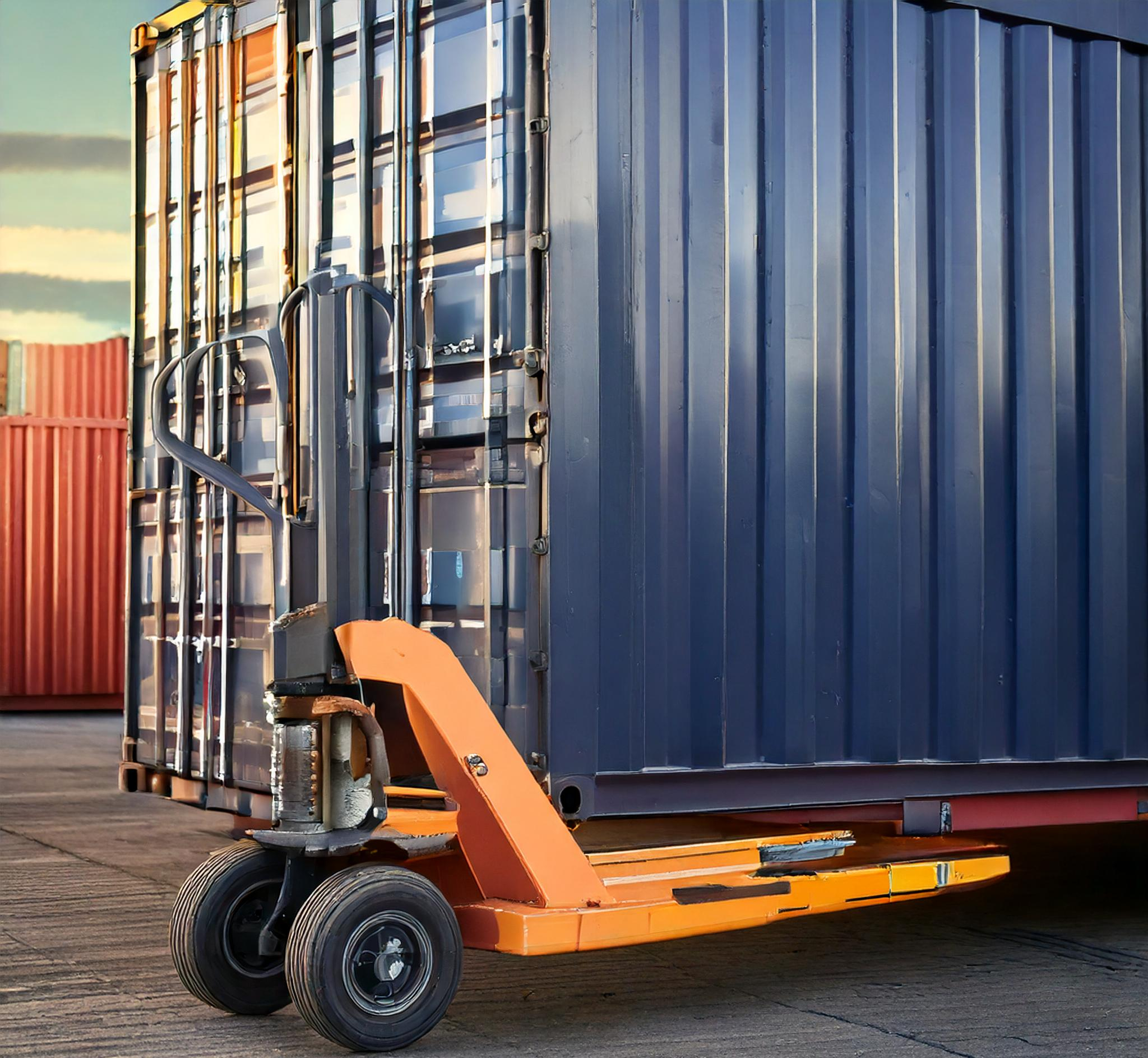

Ever stop to think about the unsung workhorse in your yard? We’re talking about the shipping container dolly. These tough pieces of equipment are what let you safely and easily move those huge metal boxes—the ISO containers—around your facility. But here’s the real question: Are you actually taking good care of them? Do you have solid container dolly maintenance tips in place?
It’s tempting to just use them until they break, but ignoring essential dolly maintenance is a big mistake that hits your wallet hard. Imagine what these movers go through: they carry massive, heavy loads all day, every day, often over rough ground. When one stops working mid-job, everything grinds to a halt. That means lost time, bigger safety risks for your crew, and having to pay high prices for emergency fixes.
The goal isn’t just to fix things when they break; it’s to stop them from breaking in the first place. Good, regular shipping container mover maintenance is the difference between smooth work days and costly problems. This guide is here to show you simple, clear steps for extending lifespan of container movers. We’ll cover the basic, heavy-duty dolly care routine you need to keep your container handling equipment running strong, every single time. It’s time to make your container transport dolly upkeep simple and effective.
Table of Contents
Quick Answer:
To maintain your shipping container dolly, enforce a daily inspection and a strict lubrication schedule for container dollies. Focus on container dolly wheel maintenance and the frame to maximize equipment lifespan and safety.
The Critical Role of Proper Lubrication for Smooth Operation
Think of grease and oil as the vitamins for your dolly. If you don’t use them, moving a heavy shipping container mover becomes loud and sticky. Why is this so important? Friction. When metal parts rub without oil, they get hot, wear out quickly, and break down much sooner than they should. A good plan for grease and oil is key to extending lifespan of container movers and keeping everything quiet.
Identifying the Best Lubricants for Different Dolly Parts
You wouldn’t put diesel in a gas car, right? The same is true for your dolly. Different parts need different types of grease or oil. Picking the right product is a main part of effective shipping container dolly maintenance.
- Axles and Bearings: These spots carry the most weight and rub the hardest. They need a strong, thick grease, usually lithium-based. Look for grease that won’t wash away easily with water and can handle heavy pressure. This makes sure the axles and bearings lubrication stays where it should, even when moving a fully loaded container.
- Caster Swivels and Pins: These parts need to spin easily so you can steer the dolly. A lighter oil or thinner grease works well here. The goal is smooth movement, not just handling heavy hits.
- Frame and Bolts: It’s smart to spray a light, protective oil on any exposed metal parts, like bolts and links. This isn’t exactly lubrication, but it helps with overall chassis maintenance by stopping rust.
Creating a Regular Lubrication Schedule for Optimal Performance
Do you only grab the grease gun when you hear a squeak? If so, you’re waiting too long. Good container transport dolly upkeep needs a plan—one you stick to, not just one you use when problems pop up.
How often should you apply axles and bearings lubrication? It depends on how much you use the dolly, but for busy yards, a good lubrication schedule for container dollies is every 2 to 4 weeks.
Here is an easy schedule plan:
- Dolly Used Daily: Check and grease the important spots every two weeks, or after about 100 hours of work.
- Dolly Used Rarely: Do this at least once a month, especially before and after a move, because grease can dry out when sitting.
- After Washing: Always put new grease in after you wash the dolly with high pressure, as the water might push the old grease out.
Preventing Seizing and Noise with Targeted Grease Application
The best part about a solid lubrication plan is stopping parts from “seizing up,” which means they lock or stick because of too much rubbing.
When you put on grease, keep these tips in mind:
- Clean First: Always wipe the grease fitting (the little nozzle) clean before putting the grease gun on. You don’t want to push dirt into the bearing with the new grease.
- Go Slow: Pump the grease slowly. Stop when you see the old, dark, dirty grease coming out of the joint. This pushes out the dirt and fills the spot with clean grease.
- Don’t Use Too Much: Too much grease can damage seals. Just enough to see a small ring of fresh grease come out is perfect.
By keeping to a careful lubrication schedule for container dollies, you cut down wear and tear, save money on repairs, and keep your essential container handling equipment running smoothly and quietly.
Ready to stop paying for expensive downtime and emergency repairs? Upgrade your logistics game with the strongest, most versatile container movers on the market. Explore TriWich Modular Wheel Dollies and get a free quote today!
Extending Wheel and Caster Lifespan with Simple Checks
Your dolly’s wheels and casters are the parts that work the hardest. They carry the entire weight of the large container and roll over every bump and puddle in your yard. If they break, the whole job stops. Luckily, a few easy checks can make your wheels last much longer. This dedicated container dolly wheel maintenance is a smart way to save money.
How to Inspect Wheels for Wear, Flat Spots, and Cracks
Just looking closely at your wheels is the fastest and easiest step in your shipping container dolly maintenance. But what should you look for? You need to spot small problems before they become big failures.
Look carefully at these key points:
- Tire/Tread Wear: See if the wheel is wearing down evenly. If one side is worn out faster, it might mean the wheel isn’t lined up right.
- Cracks and Missing Pieces: Carrying heavy loads causes stress. Check the rubber or plastic for deep cracks, especially near the center. If small chunks are missing (this is called “chunking”), it makes the load less stable and is a sign you need to start troubleshooting container dolly wheels.
- Flat Spots: These happen when a dolly sits for a long time or stops very suddenly under a heavy load. Flat spots cause a shaky, rough ride, which strains the heavy-duty dolly care frame. If the flat spot is bad, you must replace the wheel dollies to keep good load stability checks.
Tips for Cleaning and Protecting Casters from Environmental Damage
Casters are complex—they spin, they roll, and they are always exposed to dirt, mud, and water. This is why you need special caster wheels maintenance.
- Washing After Use: If you work in muddy, salty, or wet areas (like near the ocean), giving the dolly a quick wash is important. Use gentle soap and water, focusing on the part that swivels. Quick Tip: Always put new grease in right after washing. Strong water pressure can wash away the protective grease inside the bearings.
- Removing Junk: Pieces of wire, rope, or straps often wrap around the axle. This causes extra drag and makes the bearings work too hard. Check often and cut away any tangled junk to ensure smooth rolling.
- Protection: If you plan to store your dollies for a long time, try to keep them inside or cover the wheels. This stops too much sun (UV rays) from damaging the rubber and plastics, which helps in extending lifespan of container movers.
Ensuring Maximum Load Capacity through Correct Tire Inflation (If Applicable)
If your shipping container mover uses tires filled with air, having the right amount of pressure is absolutely necessary for safety and for making your tires last.
- The Weight Problem: If tires don’t have enough air, they bulge out and get too hot when carrying a big container. This makes the side of the tire fail fast. If they have too much air, the freight transport dolly is less stable and the center of the tire wears out too fast.
- The Right Number: Always look on the side of the tire or in the dolly’s manual for the correct PSI (pounds per square inch). Never guess the pressure. The correct tire inflation for container dollies is needed for the unit to safely carry its heaviest possible load.
- Check Often: Air pressure changes when the weather gets hotter or colder. Make checking tire pressure a required step in your routine inspection checklist for container dollies, doing it when the tires are cool, so you always pass those important load stability checks.
Securing Structural Integrity: Inspection and Repair of the Frame
The frame is like the skeleton of your dolly. It takes on all the huge weight and shock from the container, which means keeping it strong is the most important thing for safety. A damaged frame ruins your load stability checks and could fail completely. This part of heavy-duty dolly care is all about finding small problems early so you don’t face huge repair bills later.
Identifying Common Frame Stress Points and Weld Fatigue
Where should you look closely? Damage hardly ever happens in the middle of a thick steel bar. It almost always shows up where the metal parts join together, like corners and attachment spots.
When you go through your routine inspection checklist for container dollies, focus especially on:
- Worn-Out Welds: Check the welds—the joints where beams meet the axles, and where the corner locks are attached. Look for tiny lines, like hairs, running along or across the weld line. These cracks mean weld fatigue (the metal is tired) and must be fixed by a pro right away.
- Holes and Cut-Outs: Any hole in the frame, even for bolting on parts, is a weak spot. Look around the edges of these holes for small cracks spreading out.
- Axle Connection Points: The spots where the wheels or bogies are bolted to the main frame are constantly twisting and bending. Cracks here are a serious warning for your container transport dolly upkeep.
Techniques for Rust Prevention and Effective Corrosion Control
Rust does more than just look ugly; it eats away at the frame’s strength. Because many dollies work near the ocean or in wet places, good ways to prevent rust on shipping container dollies are a must if you want to be extending lifespan of container movers.
- Clean and Dry Regularly: This sounds simple, but washing off dirt, salt, and mud stops rust from starting. If you can, store the dolly inside a dry place after washing.
- Good Paint: The best protection is a quality industrial base coat, followed by strong, rust-resistant paint. Check the paint often and quickly touch up any chips or scratches. A fresh coat of paint isn’t just about looks; it’s vital chassis maintenance.
- Keep Drains Clear: Make sure any small holes in the frame (made to let water run out) are not blocked by debris, which stops the inside from rusting.
Quick Guide to Tightening Loose Bolts, Pins, and Fasteners
Shaking from moving heavy loads over rough ground never stops. This shaking makes bolts and pins slowly come loose, leading to wobbly parts and faster wear.
What you need to check:
- Twist-Lock Security: The bolts holding the container locks must be very tight. Loose locks are a major safety risk, messing up your ability to do reliable load stability checks.
- Wheel/Axle Mounts: Use a torque wrench (a special tool) to make sure all bolts holding the axles are tightened exactly how the manufacturer says. This stops things from wiggling, which prevents early wheel or bearing wear.
- Safety Pins: Check that all small safety pins and cotter keys (used in hinged parts) are present, straight, and fully locked to stop important parts from falling apart.
Safely Addressing Minor Dents and Deformations
Small dents and scratches are normal for intermodal equipment. But serious damage needs professional welding and fixing.
- Check the Spot: A shallow dent on the side of a large beam might be okay. A dent on a crucial corner or near a weld is not. If the dent is on a part that carries the load, don’t use the dolly until a professional checks it.
- Never Heat It: Do not use heat to try and straighten bent metal yourself. Heating up the steel can weaken it forever, permanently damaging the frame’s strength. Leave straightening and bending to experts.
By taking the time to do this detailed inspecting container dolly frame for cracks, you make sure your container handling equipment stays strong and safe for every job.
Implementing a Proactive Daily and Pre-Use Inspection Routine
The best way to do essential dolly maintenance is not to wait for a service appointment once a year. It’s by making short checks every single day. A fast check before you use the dolly is your first way to stop small problems from becoming huge, job-stopping breakdowns. This easy habit saves you time and money, and it keeps things safe when you are moving your freight transport dolly.
Comprehensive Checklist for Daily Pre-Operation Safety Checks
Before any shipping container mover gets used, your workers should quickly walk around it and look closely. This check must be done every time.
Here is a simple routine inspection checklist for container dollies your team can start using right now:
- Tires/Wheels: Check that the air pressure is right (if your dolly has air-filled tires—this is key for tire inflation for container dollies). Look for cuts, flat spots, or junk wrapped around the axles (important for good container dolly wheel maintenance).
- Twist Locks: Make sure all the container locks move smoothly, are not bent, and fully grab the container’s corner. Check that the pins or handles are safely secured.
- Frame and Body: Quickly look over the whole frame for any new dents, bends, or fresh rust spots. Listen for any strange new noises during a quick roll test.
- Hitch: If you use a hitch to pull the dolly, make sure it’s strongly attached, the pin is locked, and it doesn’t wobble too much.
- Grease Check: Quickly check that the axle and swivel points look clean and have enough grease, following your set lubrication schedule for container dollies.
Clear Indicators That Signal an Immediate Need for Professional Repair
Your daily checklist helps with normal problems, but some warning signs mean you must stop using the dolly right away and call an expert. Ignoring these signs turns a cheap fix into a very expensive headache and ruins your whole shipping container dolly maintenance plan.
Stop work and call for help if you see any of these:
- Cracks in the Frame: If you find any crack on a load-carrying beam, especially one going through a weld, it means the structure is about to fail. This needs professional welding and a check of the whole frame.
- Badly Bent Axles: If a wheel or axle is clearly bent or looks uneven, it means a big hit or a part broke, which messes up your load stability checks. Using the dolly even for a little bit will ruin the tires and bearings.
- Twist Lock Not Working: If any of the container locks won’t fully open or close, the dolly is unsafe to move. The risk of the container slipping off is too high.
- Sudden Sticking: If the wheels suddenly lock or become very hard to move, it means a major bearing failure that needs immediate repair using your shipping container dolly repair guide skills.
Best Practices for Storing Dollies to Minimize Weather Damage
Storing your dolly correctly is the last, but important, step in container transport dolly upkeep. How you leave your heavy-duty dolly care equipment at night makes a huge difference in how long it lasts and how ready it is for the next day.
Follow these simple rules for best practices for container dolly storage:
- Lift the Wheels: If you can, park the dolly on blocks of wood, especially if the ground is dirt, mud, or wet gravel. This stops water from sitting against the tires and frame, which helps prevent rust on shipping container dollies.
- Cover Key Parts: You might not be able to cover the whole dolly, but putting a tarp over the twist locks and swivel casters protects them from rain, snow, and ice. This makes these moving parts last longer.
- Clean Before Putting Away: Never store a dolly that is covered in salt, chemicals, or mud. A quick wash before putting it away for a long time prevents long-term rust and damage.
Conclusion
We’ve talked about a lot of important things, from how to put grease on the axles and bearings lubrication spots to why you must keep inspecting container dolly frame for cracks. The main point is easy to understand: taking care of your shipping container dolly maintenance isn’t just an expense—it’s a smart way to make more money. Think about it: are you just fixing problems after they happen, or are you trying to stop them before they start?
By using a simple but thorough routine inspection checklist for container dollies and sticking to a good lubrication schedule for container dollies, you choose to stop problems before they start. This effort isn’t just about making your equipment last longer; it’s about avoiding expensive downtime, keeping your team safe, and ensuring reliable load stability checks every time you move heavy intermodal equipment.
Remember, the small things you do regularly—like good container dolly wheel maintenance and using the best practices for container dolly storage—are what really help with extending lifespan of container movers. Don’t wait until you hear a terrible squeak or see a broken wheel. Start using these essential dolly maintenance tips right now to keep your entire moving process working smoothly and for a long time. Which simple step will you take first to protect your dollies?
Frequently Asked Questions (FAQs)
Q1: How often should I perform shipping container dolly maintenance to avoid major breakdowns?
A: You should perform a quick, visual check using a routine inspection checklist for container dollies every day before use. More detailed maintenance, such as checking and performing axles and bearings lubrication, should be done according to a set lubrication schedule for container dollies, typically every 2–4 weeks, depending on how heavily the dolly is used. Being proactive prevents costly downtime.
Q2: What are the biggest warning signs that my container handling equipment needs immediate professional repair?
A: Stop using the dolly immediately if you find any visible cracks or deformation when inspecting container dolly frame for cracks, or if a wheel is severely bent or seized. These issues compromise load stability checks and require professional assessment beyond basic essential dolly maintenance.
Q3: Besides greasing, what is the best way to prevent rust on shipping container dollies?
A: The best rust prevention involves two steps. First, regularly wash down the dolly, especially after use in salty or dirty environments, and ensure it dries fully. Second, immediately touch up any scratches or chips in the paint with a corrosion-resistant coating to protect the underlying metal frame and ensure proper chassis maintenance.
Q4: How important is tire inflation for container dollies in extending lifespan of container movers?
A: It is very important. Incorrect tire inflation for container dollies (either over or under) causes rapid, uneven wear on the tires and puts unnecessary stress on the axles and bearings. Always follow the manufacturer’s recommended PSI to ensure the dolly can safely carry its maximum weight and maximize the life of your wheels.


